
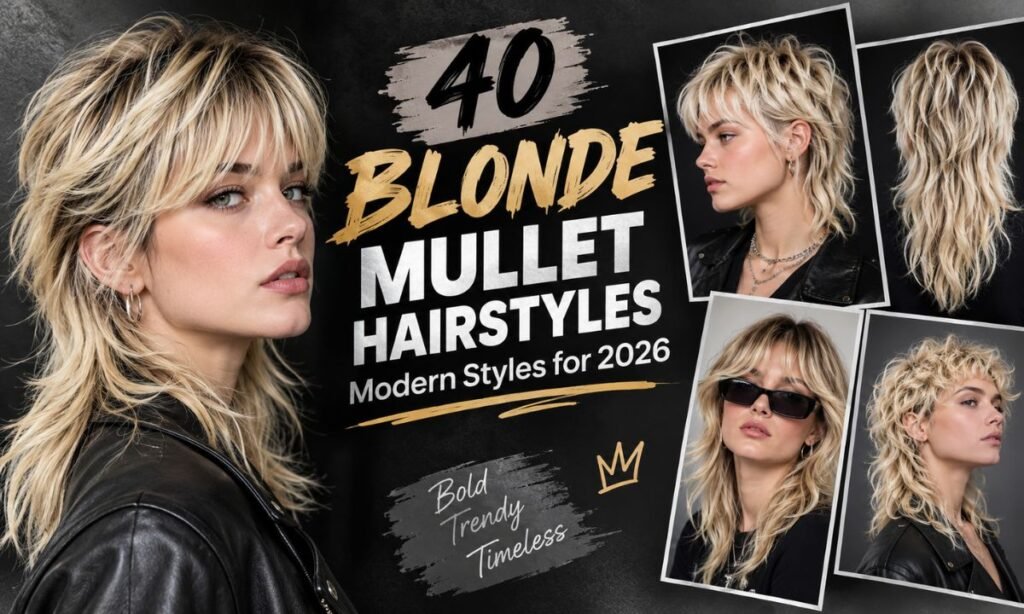
The mullet has come a long way since the 1980s. Today it is softer, sharper, and far more wearable. Add blonde color to the mix and you get a cut that turns heads without trying too hard.
A blonde mullet keeps the hair shorter on the top and sides and longer at the back. The blonde shade brightens the shape and makes every layer easier to see. That is why this look keeps showing up on runways, in salon chairs, and all over social media.
Fashion trend reports for 2026 point the same way. German hairdressing trade collections this season put blonde in the spotlight, from platinum and honey to caramel and vanilla. They pair it with natural, textured cuts and a softer take on the mullet, often called the “mixie” (a mix of mullet and pixie), with gentle length changes instead of harsh ones.
This guide walks you through 40 modern blonde mullet variations. You will also find a smart selection guide, a professional styling routine, and a long-term care plan to protect your color. Whether you want a bold platinum statement or a quiet dirty blonde blend, there is a version here for you.
Quick takeaways:
- The blonde mullet in 2026 is softer, more blended, and easier to style than older versions.
- Shade matters as much as the cut. Match your blonde to your skin undertone.
- Bleached hair needs a real care routine, or the tail will turn dry fast.
- Texture, face shape, and daily routine should guide your final choice.
What Makes This Hairstyle So Popular Today?
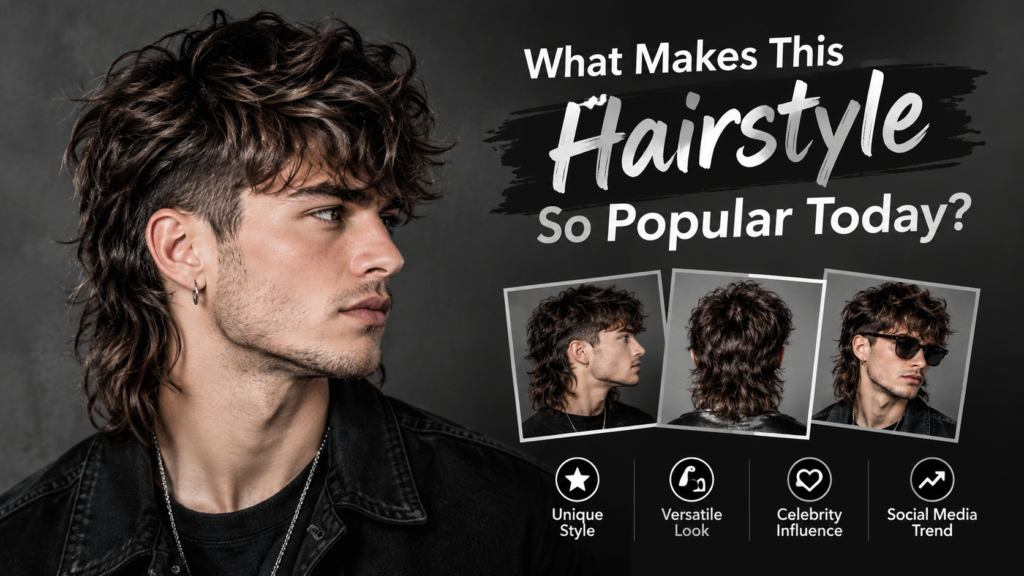
Three things explain the rise of the blonde mullet.
First, it is flexible. One basic shape can be cut short, medium, or long. It can be sleek or messy, curly or straight, subtle or loud. Few cuts adapt this well.
Second, blonde amplifies shape. Light color catches light. It shows off layers, texture, and movement far better than dark shades do. A well-cut blonde mullet looks dimensional even in a photo taken at a bad angle.
Third, it fits modern attitudes. People want hair that feels personal, not polished to perfection. The mullet offers a bit of rebellion, while blonde adds warmth and brightness. Together they feel confident, not costume-like.
Stylists also like it for practical reasons. The shorter top and sides cut down on weight. The back can grow out gradually. And a good cut leaves room to change the look from season to season without starting over.
How the Mullet Evolved Into Its 2026 Form
The old mullet was defined by contrast: very short at the front, very long at the back, with little in between. The 2026 version rejects that. Stylists now focus on connection. They blend the crown into the nape, soften the ends, and shape the cut around the person rather than around a rule.
Three changes stand out:
- Softer transitions. Layers move gradually from short to long, so the cut looks balanced.
- Smarter texture. Point-cutting, razoring, and thinning add movement without leaving holes.
- Personal length. The tail can be barely there or very long. Both are valid.
This shift explains why the cut now works across ages, genders, and careers. It no longer demands that you commit to one extreme.
Who Is Choosing a Blonde Mullet?
The audience is wider than most people think. Teenagers like the Y2K feel. People in their thirties and forties like how it refreshes a long, tired haircut. Men often choose fade-based versions with a lighter shade. Women lean toward shaggy, curtain-fringe versions. Many people also choose it after a big life change, such as a new job, a move, or a breakup, because it signals a fresh start.
Blonde Modern Mullet
The blonde modern mullet is the refined version of the classic. Instead of a hard line between short front and long back, the lengths blend through careful layering. Think soft transitions, controlled texture, and a shape that works at the office as well as at a concert.
Modern versions often use tapering around the ears and neck. They also add face-framing pieces so the cut looks intentional from every angle.
Modern Mullet Blonde
When people search for modern mullet blonde, they usually want color-first inspiration. They already know they want the mullet. What they need is the right shade: icy, buttery, ashy, or warm. The color choice sets the mood. Cool tones feel edgy and fashion-forward. Warm tones feel soft and sunlit.
Blonde Mullet
The plain blonde mullet is the umbrella term. It covers every length, texture, and tone. If you are new to the idea, start here. Ask yourself how short you want the top, how long you want the back, and how much upkeep you can handle.
Blonde Hair Mullet
A blonde hair mullet often refers to the natural blonde or lightly lightened version. If you already have light hair, you may only need a few highlights or a gloss to reach the shade you want. That means less damage and fewer salon visits.
Dirty Blonde Mullet
The dirty blonde mullet uses a muted, darker blonde with golden, ash, or light brown tones. It looks natural and lived-in. It also grows out gracefully, since roots blend into the length. If you want a low-maintenance entry into blonde, this is the safest route.
See More: Cowboy Mullet Haircut: 40 Best Western Styles for Men (2026)
Blonde Mullet Shades at a Glance
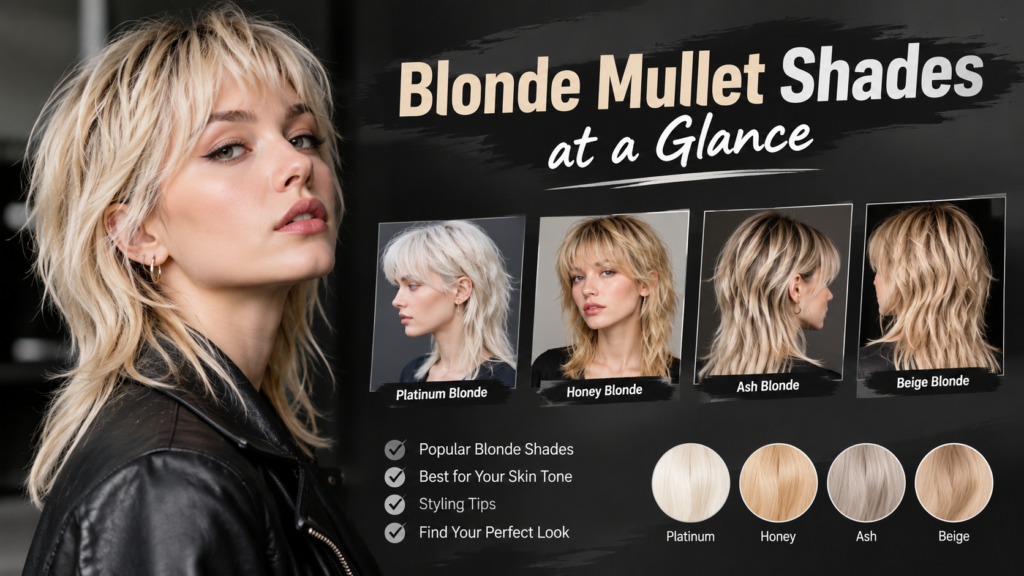
Before you pick a cut, choose a tone. This table gives a quick comparison.
| Shade | Undertone | Best Skin Match | Maintenance Level | Vibe |
| Platinum | Cool | Fair to light, cool or neutral | High | Bold, editorial |
| Ash blonde | Cool | Fair to medium, pink or neutral | Medium–High | Sleek, modern |
| Honey blonde | Warm | Medium to olive, warm | Medium | Soft, sunlit |
| Beige blonde | Neutral | Most skin tones | Medium | Clean, polished |
| Dirty blonde | Neutral–warm | Light to deep, most tones | Low | Natural, relaxed |
| Bleached white | Very cool | Fair to light with strong features | Very high | Punk, high-impact |
40 Blonde Modern Mullet Variations
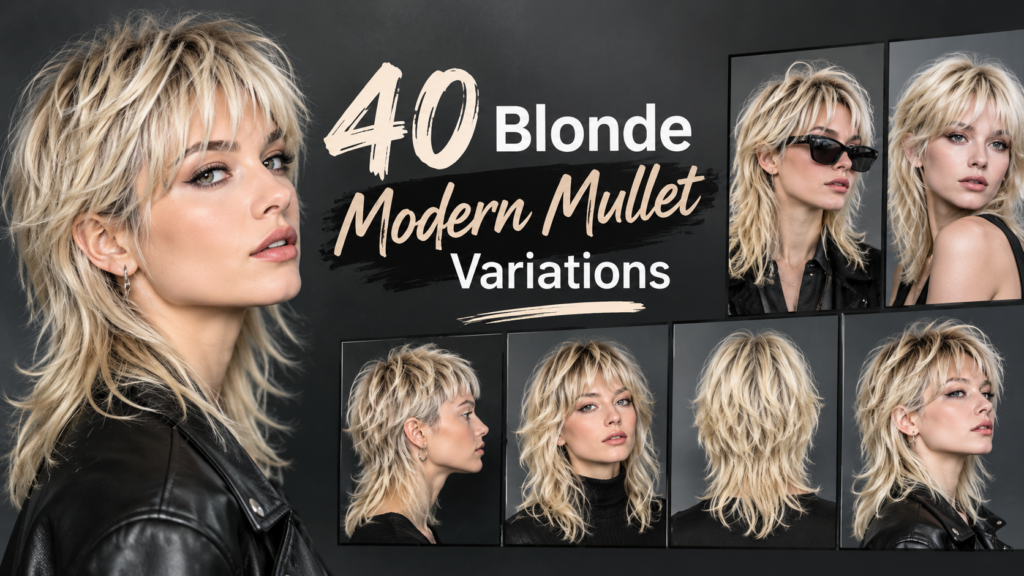
Each style below includes what it looks like, who it suits, and one styling note. Use them as a starting point. A good stylist will adjust any cut to your head shape and hair density.
1. Platinum Sharp Blend Mullet
This cut pairs bright platinum color with crisp, blended edges. The sides taper close, then glide into a longer back without a visible step. The result looks clean and a little futuristic.
Best for: Fine to medium straight hair, oval and square faces.
Styling note: Use a purple toning shampoo weekly to keep brassiness away.
2. Ash Tone Precision Mullet
Ash blonde has a cool, slightly gray cast that looks smoky and modern. In this version, the layers are cut with precision so each section sits exactly where it should. It feels controlled rather than messy.
Best for: Fair to medium skin with neutral or pink undertones.
Styling note: A light smoothing cream keeps the ash tone shiny rather than flat.
3. Honey Smooth Transition Mullet
Honey blonde brings warmth, and a smooth transition keeps the shape gentle. The top layers melt into the back with no sharp contrast. It suits anyone who wants a mullet that reads as soft and approachable.
Best for: Warm, olive, and tan skin tones.
Styling note: Blow-dry with a round brush at the crown for a glossy finish.
4. Beige Clean Structure Mullet
Beige blonde sits between warm and cool, which makes it very easy to wear. The structure here is tidy: defined edges, balanced layers, and a neat neckline. It is a good choice for workplaces that prefer a polished look.
Best for: Most skin tones, straight or slightly wavy hair.
Styling note: Finish with a light shine serum, not heavy wax.
5. Low Fade Soft Blonde Mullet
A low fade starts the taper just above the ears and neckline. Paired with soft blonde color, it keeps the sides clean while the top stays textured. Many barbers love this combination because it grows out evenly.
Best for: Men and women who want a sharper outline.
Styling note: Book a fade refresh every three to four weeks.
6. Taper Blend Modern Mullet
Where a fade removes length quickly, a taper does it gradually. This style tapers the sides and nape into a slightly longer back. It feels more subtle and professional than a high-contrast cut.
Best for: Anyone easing into their first mullet.
Styling note: A sea salt spray adds grip without stiffness.
7. Balanced Neutral Blonde Mullet
This cut keeps everything in proportion. Top, sides, and back each play a part, and none overpowers the others. A neutral blonde shade completes the calm, wearable look.
Best for: Medium-density hair and oval faces.
Styling note: Air-dry with a texturizing mousse for easy daily wear.
8. Soft Edge Professional Mullet
Soft edges mean there are no blunt lines. The ends are lightly point-cut so the whole shape feels feathered. It looks tidy enough for meetings and relaxed enough for weekends.
Best for: Those who want a subtle mullet at work.
Styling note: Tuck the sides behind your ears for a clean office look.
9. Layer Control Mullet
Too many layers can look chaotic. This version uses fewer, longer layers to keep the shape neat. The blonde color helps those layers show up even though they are restrained.
Best for: Thick hair that needs weight removed without looking choppy.
Styling note: A light-hold cream tames flyaways.
10. Classic Clean Blonde Mullet
This is the traditional shape updated for today. The top is short and neat, and the back is clearly longer. Clean lines and a medium blonde shade keep it grounded in the present.
Best for: Straight hair and strong jawlines.
Styling note: Comb the top forward or sweep it to one side.
11. Tousled Texture Blonde Mullet
Tousled means purposely messy. Uneven layers and a bit of wave create a “just woke up” feel. The blonde tones add soft contrast between each strand.
Best for: Wavy hair and relaxed personalities.
Styling note: Scrunch in a texture spray, then leave it alone.
12. Layer Boost Volume Mullet
Short, lifted layers on top give the crown extra height. The back stays long and flowing. This is a useful pick for fine hair that tends to fall flat.
Best for: Fine or thin hair that needs lift.
Styling note: Apply root-lift spray to damp roots before blow-drying.
13. Wind Flow Blonde Mullet
This cut is shaped to look as if wind is moving through it. Layers sweep backward and outward, creating a feathery, motion-filled outline. It looks best in lighter shades such as sandy or champagne blonde.
Best for: Straight to slightly wavy hair, longer back sections.
Styling note: Dry the hair backward with your fingers for that swept look.
14. Shag Inspired Blonde Mullet
The shag and mullet share a love of choppy layers. This hybrid mixes shag texture through the top with a longer, wispy back. It feels rock-and-roll but still wearable.
Best for: Medium to thick hair, round and heart-shaped faces.
Styling note: Add a curl cream and diffuse for natural bounce.
15. Natural Depth Dirty Blonde Mullet
This dirty blonde mullet keeps darker tones near the root and lighter strands through the lengths. The depth looks natural and expensive. Regrowth hardly shows, so salon visits stay minimal.
Best for: People who want low-maintenance color.
Styling note: A gloss treatment every eight weeks refreshes shine.
16. Feather Finish Blonde Mullet
Feathered ends make the back look airy and light. Instead of a solid weight line, hair tapers to wisps. It is a gentle, flattering take, especially on fine hair.
Best for: Fine hair and softer features.
Styling note: Use a lightweight oil on the ends only.
17. Dense Texture Statement Mullet
For thick or coarse hair, this version celebrates density. The cut keeps volume and adds texture cuts to avoid a triangle shape. Bright blonde makes the thick layers pop.
Best for: Very thick hair that can carry volume.
Styling note: Thin out the interior with a stylist-guided texturizing cut.
18. Razor Edge Blonde Mullet
A razor, not scissors, shapes the ends here. The result is a slightly ragged, ultra-light finish. It suits edgy tastes and looks great on straight hair.
Best for: Straight, fine-to-medium hair.
Styling note: Razor cuts need regular trims to avoid split ends.
19. Wolf Hybrid Blonde Mullet
The wolf cut and mullet are close cousins. This variation uses a dramatic crown, wild layers, and a shaggy back. Blonde color brings out every spike of texture.
Best for: Adventurous types with medium to thick hair.
Styling note: Blow-dry upside down for extra crown volume.
20. Free Flow Natural Blonde Mullet
Nothing here is rigid. The hair follows its natural movement, with layers that simply support the shape. It works well for people who prefer a wash-and-go routine.
Best for: Natural wavy or slightly curly hair.
Styling note: Leave it air-dried and add a light leave-in conditioner.
21. Compact Short Blonde Mullet
A compact mullet has a short back, often just reaching the nape or collar. It keeps the attitude but demands less care. It is a good first step if you fear going long.
Best for: Active lifestyles and warm climates.
Styling note: Use a matte paste for texture on top.
22. Balanced Medium Blonde Mullet
Medium length gives the best of both worlds. The back sits around the shoulders or just above. It is easy to tie up, easy to style down, and easy to grow out.
Best for: Almost every hair type and face shape.
Styling note: Add loose waves with a medium curling iron.
23. Extended Tail Blonde Mullet
Here the back is deliberately long, sometimes reaching mid-back. A neat, short top keeps contrast strong. The tail needs steady moisture, but the drama is hard to beat.
Best for: Healthy, strong hair with good length.
Styling note: Braid the tail for events or festivals.
24. Curl Defined Blonde Mullet
Curls get the spotlight in this cut. The top is shaped so curls bounce rather than puff, and the back keeps defined ringlets. Blonde highlights show off every curl pattern.
Best for: Type 3 curls.
Styling note: Cut curls dry or by curl-by-curl for the best shape.
25. Wave Motion Blonde Mullet
Soft waves travel from the crown to the tail. The cut is layered to encourage that S-shaped movement. It feels beachy and romantic.
Best for: Wavy or straight hair that holds a wave.
Styling note: Use a flat iron to bend, not curl, for natural waves.
26. Sleek Straight Blonde Mullet
Smooth, straight and glossy, this version looks sharp and minimal. Precision matters because straight hair shows every cutting mistake. Platinum or beige tones suit it best.
Best for: Straight, shiny, medium-density hair.
Styling note: Use a heat protectant and flat iron on a low-medium setting.
27. Texture Perm Blonde Mullet
A modern texture perm adds soft curl or wave to straight hair. Combined with a mullet cut, it creates volume that lasts for weeks. Be careful: perming and bleaching together need an expert hand.
Best for: Straight hair that lacks body, with healthy strands.
Styling note: Space chemical services weeks apart and ask a stylist about bond-building treatments.
28. Contrast Disconnect Mullet
A disconnected mullet shows a clear gap between the short top and the longer back. There is no blending. The effect is bold and graphic, especially with bright blonde.
Best for: Confident styles, strong features.
Styling note: Keep the neckline tidy to maintain the cut’s crispness.
29. Fringe Focus Blonde Mullet
The fringe takes the lead here. It can be blunt, wispy, or side-swept, and the mullet back supports it. Blonde fringe brightens the face right away.
Best for: High foreheads and oval faces.
Styling note: Trim the fringe every three to four weeks.
30. Center Curtain Blonde Mullet
Curtain bangs part in the middle and frame each side of the face. Paired with a mullet, they bring a 70s feeling to the style. The look is flirty without being fussy.
Best for: Round, square, and heart-shaped faces.
Styling note: Blow-dry the bangs outward with a round brush.
31. Bleached Impact Rebel Mullet
This is bleach at full volume. The hair is lifted to a near-white shade for punk-level impact. It looks incredible, but it needs the most careful aftercare of any style here.
Best for: Those ready for the upkeep and the attention.
Styling note: Deep-condition weekly and avoid heated tools when possible.
32. Root Contrast Blonde Mullet
Dark or medium roots are left on purpose, creating a shadow effect. It saves time at the salon and adds depth. The grown-out look is part of the design.
Best for: Anyone who dislikes frequent root touch-ups.
Styling note: Ask for a smudged root, not a hard line.
33. Frost Highlighted Tip Mullet
Light, icy highlights sit on the tips and top layers. They resemble a frosted finish. It gives a sparkle without lightening the entire head.
Best for: Light brown or dark blonde starting colors.
Styling note: Use a blue shampoo if tips turn yellow.
34. Slick Finish Blonde Mullet
Slicked-back or slicked-down styling gives this cut a sharp, almost editorial feel. The top is smooth and the back falls clean. Use it for evenings out.
Best for: Straight or lightly wavy hair, formal events.
Styling note: A light gel or pomade gives hold without crunch.
35. Gloss Effect Wet Blonde Mullet
The wet look is shiny and deliberate. Hair appears just-showered, with defined strands. Light blonde shades reflect that glossy finish beautifully.
Best for: Fashion shoots, parties, and bold daily wear.
Styling note: A water-based gel or glossing cream works best. Avoid heavy oils.
36. Spiked Crown Blonde Mullet
Short, lifted spikes sit on the crown while the back flows long. It is playful and a bit punk. Texture clay or paste keeps the spikes in place.
Best for: Short top sections and active lifestyles.
Styling note: Rough-dry first, then style with a matte product.
37. Undercut Contrast Blonde Mullet
An undercut removes length from the lower sides or nape, leaving longer hair on top to cover it. When the hair is pulled up or tucked, the shaved part shows. It gives you a choice between hidden and bold.
Best for: Thick hair that needs weight removed.
Styling note: Re-buzz the undercut every two to three weeks.
38. Minimal Modern Blonde Mullet
The idea here is “less is more.” Layers are few, color is soft, and the silhouette is clean. It feels contemporary without shouting.
Best for: People who like quiet style and low effort.
Styling note: Air-dry with a touch of cream and go.
39. Curved Drop Shape Mullet
The back is cut into a gentle U-shaped curve, creating a rounded, falling shape. It feels graceful and sculpted. Smooth blonde tones highlight the curved outline.
Best for: Medium-to-long back lengths and straight-to-wavy hair.
Styling note: Trim the curve every six to eight weeks to hold the shape.
40. Champagne Soft Matte Blonde Mullet
Champagne blonde sits in a pale, creamy zone between beige and light gold. Here it is paired with a flat, tidy top and an unlayered, softly textured back. A matte finish keeps the whole look calm, so the color does the talking. It reads as neutral at first glance, then gets noticed on the second look.
Best for: First-time mullet wearers and conservative workplaces.
Styling note: One lightweight product, one brush, and five minutes are all you need.
Quick-Reference Table: Matching Cut to Hair Type
| Hair Type | Best Mullet Styles | Why It Works |
| Fine, straight | Layer Boost, Feather Finish, Wind Flow | Adds lift and movement |
| Thick, coarse | Dense Texture, Undercut Contrast, Wolf Hybrid | Removes bulk, keeps shape |
| Wavy | Tousled Texture, Wave Motion, Free Flow | Works with natural bend |
| Curly | Curl Defined, Shag Inspired, Texture Perm | Defines curl pattern |
| Damaged/bleached | Compact Short, Taper Blend, Natural Depth | Less length means less strain |
| Low-maintenance | Root Contrast, Natural Depth, Minimal Modern | Soft regrowth, easy care |
Smart Selection Guide for the Right Look
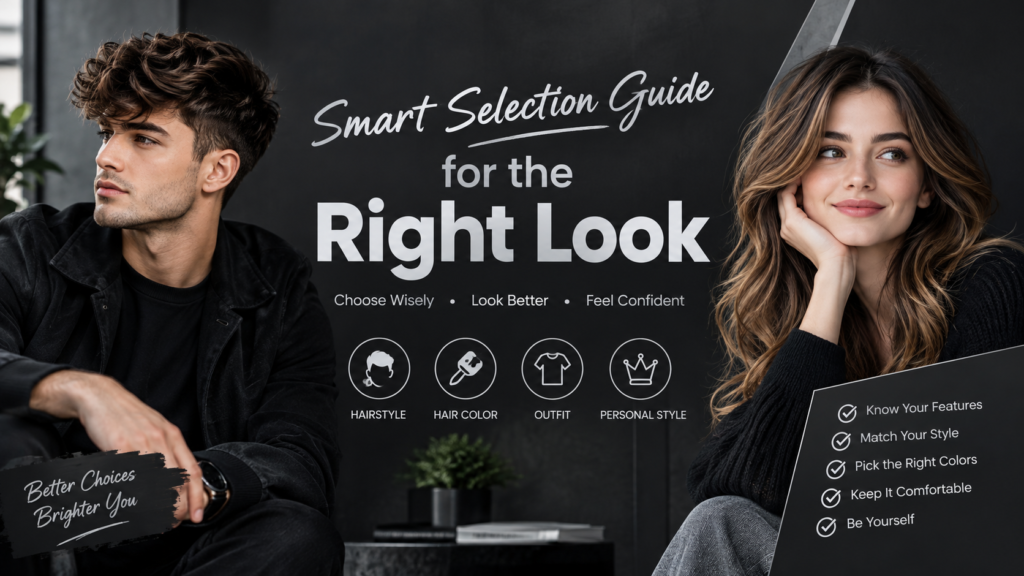
Picking from 40 styles feels hard. Use these five filters to narrow things down.
1. Start With Your Face Shape
- Oval: Almost anything works. Try a balanced medium mullet.
- Round: Add height at the crown and keep side layers slim. A shag-inspired cut helps.
- Square: Soft edges and wavy texture balance a strong jaw.
- Heart: Fringe and curtain bangs soften a wider forehead.
- Long: Skip extra height. Choose fringe and side volume.
Common Mistakes to Avoid
Even a perfect inspiration photo can go wrong. Watch out for these frequent errors:
- Choosing a shade that fights your skin: A very warm gold on a cool, pink complexion can look sallow. Test the tone with a stylist before committing.
- Skipping the consultation: A ten-minute chat about your cowlicks, hairline, and daily routine saves months of regret.
- Ignoring growth patterns: A strong nape cowlick can push a long tail sideways. Your stylist should cut with it, not against it.
- Going too long too fast: Start with a medium tail. You can always grow it, but you cannot un-cut it.
- Underestimating bleach: If you start with dark hair, reaching true blonde may need several sessions. Rushing it risks breakage.
- Using the wrong products: Heavy waxes and oils can make blonde hair look dull and greasy.
Men and Women: Small Differences, Big Effects
The mullet is not tied to one gender. Still, a few choices change the vibe.
| Choice | More Traditionally Masculine | More Traditionally Feminine |
| Sides | Low fade or tight taper | Soft, layered, ear-skimming |
| Top | Textured crop or messy fringe | Curtain bangs or wispy fringe |
| Tail | Short to medium, blunt or tapered | Medium to long, feathered |
| Color | Beige, sandy, platinum | Honey, champagne, ash |
| Styling | Paste, clay, sea salt spray | Cream, mousse, diffusing |
Mix and match freely. Many of the most striking looks combine elements from both columns.
2. Consider Your Hair Texture and Density
Fine hair needs lift and light layers. Thick hair needs thinning and weight removal. Curly hair needs a stylist who understands curl, ideally cutting it dry. Straight hair needs precise cutting because mistakes show.
3. Choose the Right Blonde Tone
Check your veins. Blue or purple veins usually mean cool undertones, so ash, platinum, and beige often flatter. Green veins suggest warm undertones, so honey and golden blondes work well. A mix means neutral, and nearly everything works.
4. Think About Lifestyle
Ask honestly how much time you will spend on your hair each day. If the answer is five minutes, choose a texture-friendly, low-contrast option. If you enjoy styling, go for sleek or slicked looks.
5. Be Realistic About Upkeep
Platinum and bleached white need frequent toning and root work. Dirty blonde and root-contrast styles are far more forgiving. The table below shows a rough maintenance calendar.
| Style Type | Trim Frequency | Color Visit Frequency | Home Care Effort |
| Platinum / bleached | 4–6 weeks | 4–6 weeks | High |
| Ash / beige | 6–8 weeks | 6–8 weeks | Medium |
| Honey / golden | 6–8 weeks | 8–10 weeks | Medium |
| Dirty blonde | 8–10 weeks | 10–12 weeks | Low |
| Root contrast | 8 weeks | 12+ weeks | Low |
Professional Styling Approach for Best Results

A great cut can look flat without good styling. Follow the routine below, which is similar to how many stylists finish a mullet.
Step-by-Step Styling Routine
- Wash gently: Use a sulfate-free, color-safe shampoo. Wash only as often as needed, usually two to three times a week.
- Condition the mid-lengths and ends: The tail is the oldest hair, so give it the most care.
- Apply heat protectant: Always do this before blow-drying or flat iron use.
- Prep the roots: Work a small amount of mousse or root-lift spray into damp roots for crown height.
- Blow-dry in sections: Dry the top upward and the back downward for contrast.
- Add texture: Use sea salt spray, texture cream, or paste on top and ends.
- Finish lightly: A flexible-hold spray or shine serum completes the look.
Product Guide by Finish
| Desired Finish | Product Type | Where to Apply |
| Soft and natural | Leave-in conditioner or cream | Mid-lengths to ends |
| Messy texture | Sea salt spray or texture powder | Roots and top layers |
| Sleek and smooth | Smoothing serum | Ends and surface |
| Strong hold | Clay, paste, or wax | Top and crown |
| Wet look | Gel or glossing cream | Throughout |
| Curl definition | Curl cream or mousse | Damp hair, scrunched |
Pro Tips From the Chair
- Ask your stylist to show you how to style it before you leave.
- Take reference photos in different lighting.
- Bring a photo of the tone you want as well as the cut.
- Avoid overloading with products. Blonde hair shows buildup quickly.
- Use a silk pillowcase or loosely tie hair up at night to protect the tail.
Styling by Occasion
One cut can do many jobs. Adjust the finish to fit the moment.
- Office day: Smooth the top with a light serum, tuck the sides behind the ears, and let the tail fall naturally.
- Casual weekend: Spritz texture spray, scrunch, and air-dry. Imperfect is the goal.
- Night out: Use a bit of gel or pomade for a slick or wet finish, and add shine spray to the tail.
- Gym or active day: Tie the tail into a low ponytail or small braid, and keep the crown loose.
- Festival or event: Add braids, small clips, or temporary color for flair.
Growing Out and Transitioning
If you later want to leave the mullet behind, plan the exit. Keep trimming the top and sides lightly so they stay in shape while the crown catches up. Ask your stylist for a soft shag or long-layered cut as a bridge. This avoids the awkward in-between stage most people dread.
Salon Communication Cheat Sheet
Many bad haircuts begin with unclear words. Try these phrases when you book.
- “I want the top short and textured, the back long, and a soft blend between them.”
- “Please keep the sides tapered, not shaved.”
- “I would like a muted, natural blonde, not a bright yellow.”
- “How many visits will it take to reach this shade safely?”
- “What should I do at home to protect the color?”
Long-Term Hair Health & Color Protection
Blonde hair is lightened hair, and lightening changes the structure of each strand. Without care, it can feel dry, break easily, or turn brassy. The good news is that a clear routine fixes most of this.
Prevent Brassiness
Brassiness is that yellow or orange glow that appears over time. It comes from sun, minerals in water, heat, and fading toner.
- Use a purple or blue toning shampoo once a week, or when needed.
- Install a shower filter if you have hard water.
- Wear a hat or use UV protection spray in strong sun.
- Rinse with cool water to keep the cuticle flat.
Restore Moisture and Strength
- Use a deep conditioning mask once a week.
- Try a bond-repair treatment every two to four weeks if your hair is heavily lightened.
- Trim split ends on schedule so damage doesn’t climb the strand.
- Limit heat. When you do use heat, keep temperatures moderate.
Protect From Daily Damage
- Detangle with a wide-tooth comb from the ends upward.
- Avoid tight elastics on the long tail. Use soft scrunchies instead.
- Rinse after swimming. Chlorine and salt dry and discolor blonde hair.
- Get regular glosses to keep shine and tone fresh.
Water, Sun, and Environment
Your surroundings affect color more than most people expect. Hard water leaves mineral deposits that dull blonde and add a greenish or orange cast. A shower filter and an occasional clarifying wash help. Strong sun lightens and dries hair, so a UV-protective spray or a hat is smart in summer. Chlorinated pools can turn blonde hair greenish, so wet your hair with clean water and apply a leave-in conditioner before swimming.
Nutrition and Scalp Health
Healthy hair starts at the scalp. A balanced diet with enough protein, iron, zinc, and omega-3 fats supports strong growth. Gentle scalp massage during washing improves comfort and helps remove buildup. If you notice itching, flaking, or soreness after bleaching, switch to a mild shampoo and see a professional, since chemical sensitivity is possible.
A Simple Weekly Care Plan
| Day | Task |
| Monday | Wash with color-safe shampoo and condition |
| Wednesday | Light rinse or dry shampoo only |
| Friday | Toning shampoo, then deep mask |
| Sunday | Gentle scalp massage and detangle |
When to See a Professional
Call your stylist if you notice:
- Hair stretching like gum when wet
- Heavy breakage or snapping
- A stubborn yellow tint after toner
- Patchy lightening or uneven color
A good colorist can adjust tone, add a gloss, or suggest a break from bleach.
Frequently Asked Questions
Are blonde mullets still in style in 2026?
Yes. Softer, blended versions like the “mixie” and the textured modern mullet are leading 2026 hair trends, and blonde remains one of the season’s most popular colors.
What is a blonde mullet hairstyle?
It is a haircut with shorter hair on the top and sides and longer hair at the back, colored in a blonde shade such as platinum, honey, ash, or dirty blonde.
What face shape is best for a blonde mullet?
Oval and square faces suit most versions, but layers, fringe, and volume placement let round, heart, and long faces wear it well too.
What hair type is best for a blonde mullet?
Straight to wavy hair holds the shape easily, though fine, thick, and curly hair all work with the right layering and texture.
What is the best blonde color for a mullet?
It depends on your skin undertone: ash and platinum for cool tones, honey and golden for warm tones, and beige or dirty blonde for neutral tones.
Can you get a blonde mullet with a fade?
Yes. A low fade or taper keeps the sides clean while the top and back stay longer, and it looks sharp with blonde color.
How do you style a blonde mullet?
Use heat protectant, add root lift or texture spray, blow-dry in sections, and finish with a light cream, paste, or serum depending on the look you want.
Are blonde mullets good for men and women?
Yes. The cut is flexible enough to be shaped in masculine, feminine, or gender-neutral ways through length, fade, and texture choices.
How do you maintain a blonde mullet?
Use color-safe shampoo, a weekly toning shampoo, regular deep conditioning, heat protection, and trims every six to eight weeks.
Can a blonde mullet work with curly or wavy hair?
Absolutely. Curly and wavy hair add natural volume and movement, and a stylist can cut layers to enhance your curl or wave pattern.
Conclusion
The blonde mullet in 2026 is about balance. The shape is softer, the color is more personalized, and the styling is more relaxed than ever. From a platinum sharp blend to a quiet dirty blonde, you can pick the version that fits your face, hair type, and daily routine.
Start by choosing a tone that suits your skin. Then decide how much contrast you want between front and back. Finally, be honest about maintenance. A clean taper, a soft layered cut, or a natural root blend can look just as striking as a high-drama bleach job, with far less effort.
Save a few favorite looks from this list, bring them to your stylist, and talk through what is realistic for your hair. With the right cut and a solid care plan, your blonde mullet will look fresh long after you leave the salon.





1 thought on “40 Blonde Mullet Hairstyles – Modern Styles for 2026”