
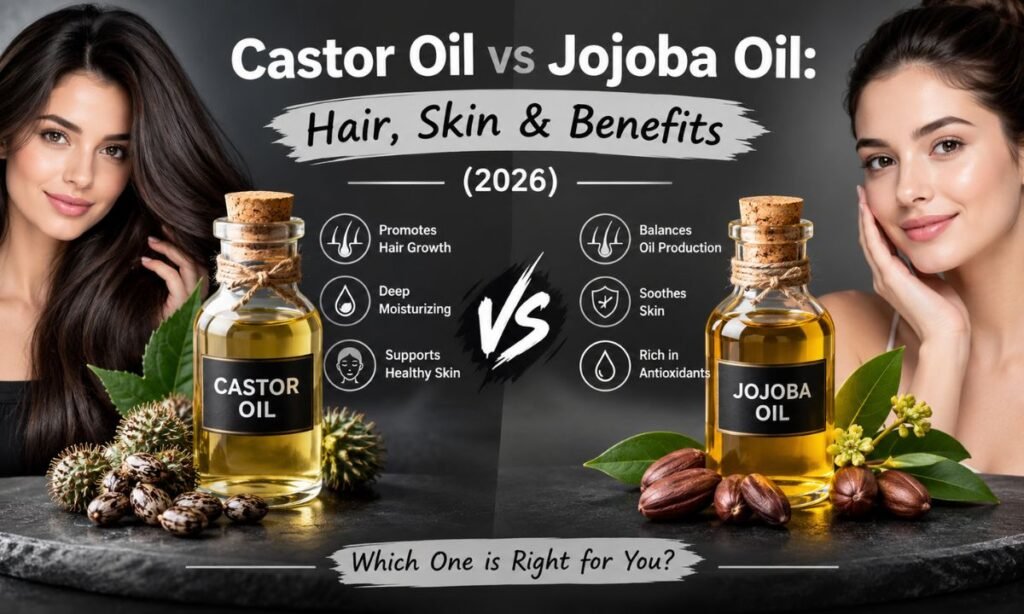
Castor oil vs jojoba oil is a common debate in hair and skin care, and for good reason. Both oils sit on many bathroom shelves, yet they look, feel, and behave very differently. One is thick and sticky. The other is light and silky. Which one suits your scalp, strands, or face? This guide breaks down what each oil does, where each one falls short, and how to pick the right one for your hair type and skin type.
Quick answer: Jojoba oil is usually the better everyday pick for most hair and skin types because it is lightweight, balancing, and gentle. Castor oil is thicker and more intense, which suits dry, coarse, or curly hair and targeted moisture needs. Neither oil is proven to regrow hair. Many people blend the two, using jojoba as a carrier to make castor oil easier to spread.
Castor Oil vs Jojoba Oil: What’s the Difference?
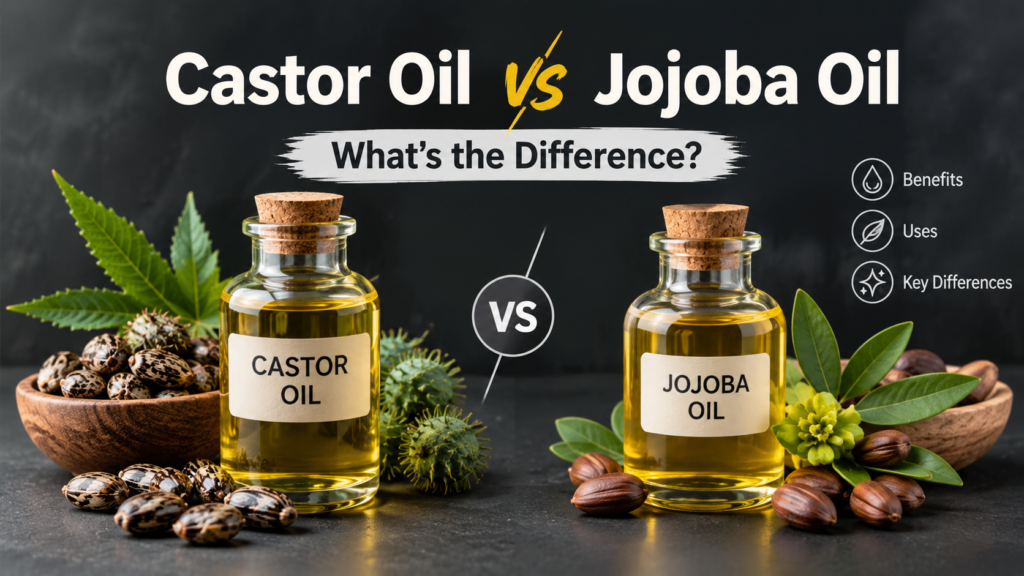
The biggest difference is texture. Jojoba oil is thin and slippery, a lot like the natural oil your skin makes. Castor oil is thick and syrupy. That one trait changes how much you need, how it feels, and how easily it rinses out.
Their sources and makeup differ too. Jojoba oil comes from the seeds of the jojoba shrub, which grows in desert regions of the Southwest and Mexico. It is technically a liquid wax, not a true oil. Castor oil comes from the seeds of the castor plant. Most of its fatty acids are ricinoleic acid, which gives it that heavy, coating feel.
In daily use, jojoba spreads easily and absorbs at a moderate pace. Castor oil sits on the surface and forms a rich film. Neither is a miracle product, but each has a clear job.
| Feature | Jojoba Oil | Castor Oil |
| Source | Seeds of the jojoba shrub | Seeds of the castor plant |
| Texture | Thin, silky, easy to spread | Thick, sticky, slow to spread |
| Main makeup | Liquid wax esters | Mostly ricinoleic acid |
| Feel on skin or hair | Light, smooth | Heavy, coating |
| Shelf life | Long, very stable | Fairly stable, but check the date |
| Best for | Daily use, scalp, face, fine hair | Dry ends, thick hair, targeted spots |
| Price | Often higher per ounce | Often lower per ounce |
Why the difference matters
Texture affects results more than most people expect. A heavy oil on fine hair can leave it limp by lunchtime. A light oil on very coarse hair may disappear within an hour. Matching the oil to your hair and skin saves money and frustration.
What Is Jojoba Oil?
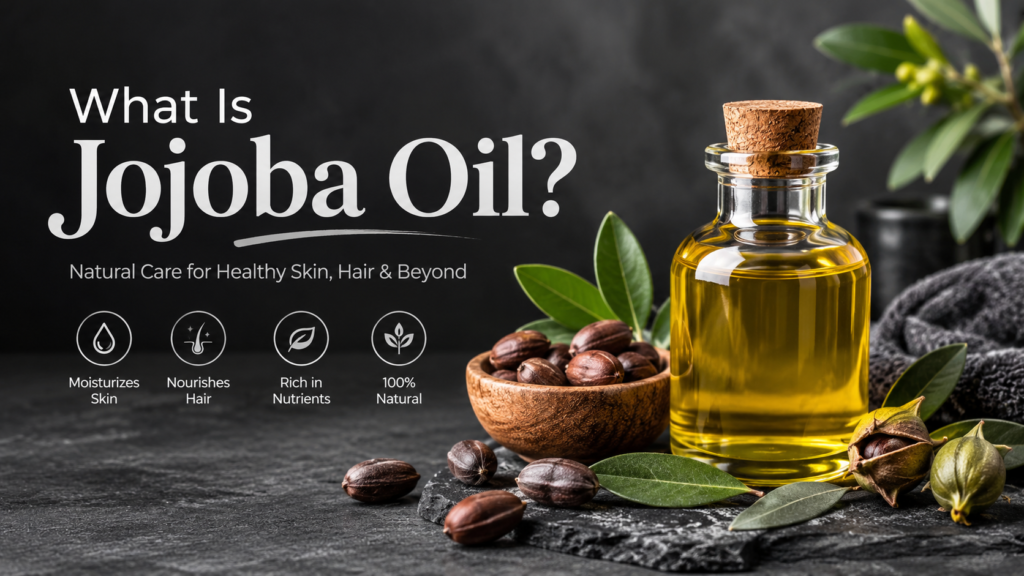
Jojoba (say “ho-HO-ba”) oil is pressed from the seeds of Simmondsia chinensis, a shrub native to Arizona, California, and northern Mexico. Cold-pressed, unrefined jojoba is golden with a faint nutty scent. Refined jojoba is clear and nearly odorless.
Its chemistry is unusual. Jojoba is made of wax esters, which look a lot like sebum, the oil your scalp and skin produce naturally. Because of that, skin and scalp tend to accept it well. It also resists going rancid better than many plant oils, so a bottle lasts a long time.
Beauty brands use it as a carrier oil, which means it dilutes stronger ingredients like essential oils. You will find it in shampoos, conditioners, moisturizers, lip balms, and beard oils.
It is not perfect. Allergic reactions are uncommon but possible. Pure jojoba also costs more than many other oils.
How to shop for jojoba oil
Look for 100% pure, cold-pressed jojoba in a dark glass bottle. Check that the label lists only jojoba (Simmondsia chinensis seed oil). Skip bottles with added fragrance if your skin is sensitive. Store it away from heat and direct sunlight.
Benefits of Jojoba Oil for Hair
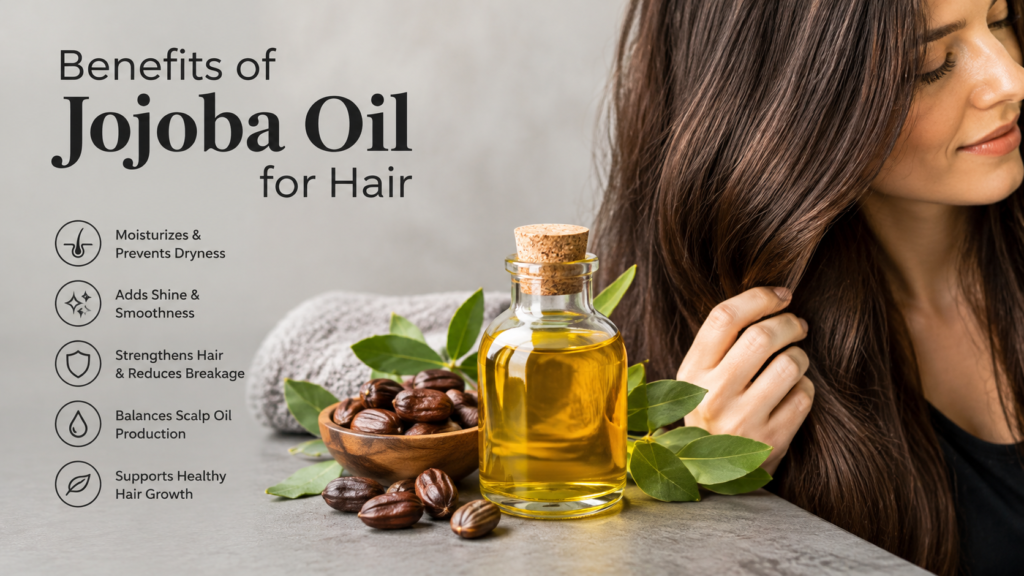
Jojoba is popular in hair care because it adds softness without a heavy, greasy feel. Here is what it can realistically do.
Adds light moisture and shine
A few drops on dry lengths can smooth the surface of the hair and add a soft shine. Because the oil is light, it works on fine hair as well as thick hair. It will not flatten your style when used in small amounts.
Supports a comfortable scalp
Since jojoba resembles sebum, many people use it as a scalp oil. Some find it helps a dry, tight scalp feel more comfortable. Others with an oily scalp say it feels less greasy than heavier oils. These are common reports, not guarantees, and results vary from person to person.
Works across hair types
Straight, wavy, curly, and coily hair can all use jojoba. Curly and coily hair often benefit from using it to seal in moisture after a water-based leave-in. Straight and fine hair does best with just a drop or two on the ends.
Helps with styling
A tiny amount can tame frizz, smooth flyaways, and add slip when you detangle. Rub one drop between your palms and glide it over the surface of dry hair. Use less on fine hair, since too much will make strands look flat.
Limitations to know
Jojoba will not repair split ends, because nothing truly repairs them. It can make ends look and feel better until a trim. It also has no strong proof of growing new hair. If you are dealing with sudden or patchy hair loss, see a dermatologist rather than relying on an oil.
Benefits of Jojoba Oil for Skin
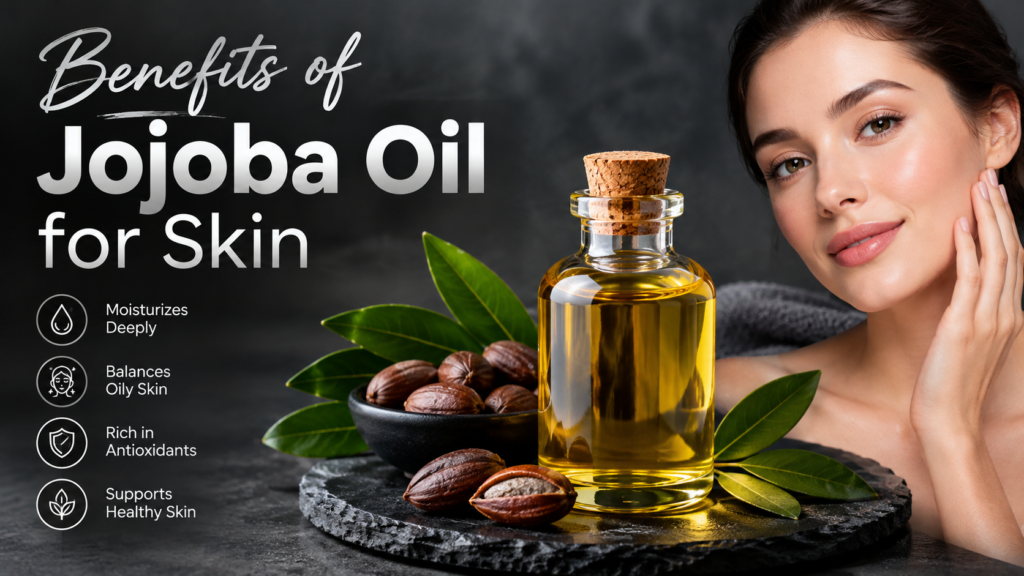
Jojoba is a favorite in skin care because it feels light and rarely overwhelms the skin.
Lightweight moisturizer
Jojoba is an emollient, so it softens skin and helps slow moisture loss. It does not add water on its own. Apply it to slightly damp skin, or layer it over a hydrating serum, for the best feel.
Gentle makeup remover
Oil dissolves oil, so jojoba breaks down sunscreen and most makeup well. Massage it on dry skin, then wipe with a warm, damp cloth. Avoid getting it in your eyes, since any oil can blur your vision for a while.
Often friendly to oily and acne-prone skin
Many people with oily or acne-prone skin use jojoba without breakouts. It is often described as low on the comedogenic scale, meaning it is less likely to clog pores. That said, no oil is safe for everyone. Skin can react in unexpected ways, so test it first.
Other everyday uses
Jojoba also works on cuticles, dry lips, and rough patches. It contains small amounts of natural vitamin E. Do not expect it to erase wrinkles or scars, as strong evidence for those claims is lacking.
See More: Is Rosemary & Mint Good for Hair? Benefits & Growth (2026)
What Is Castor Oil?
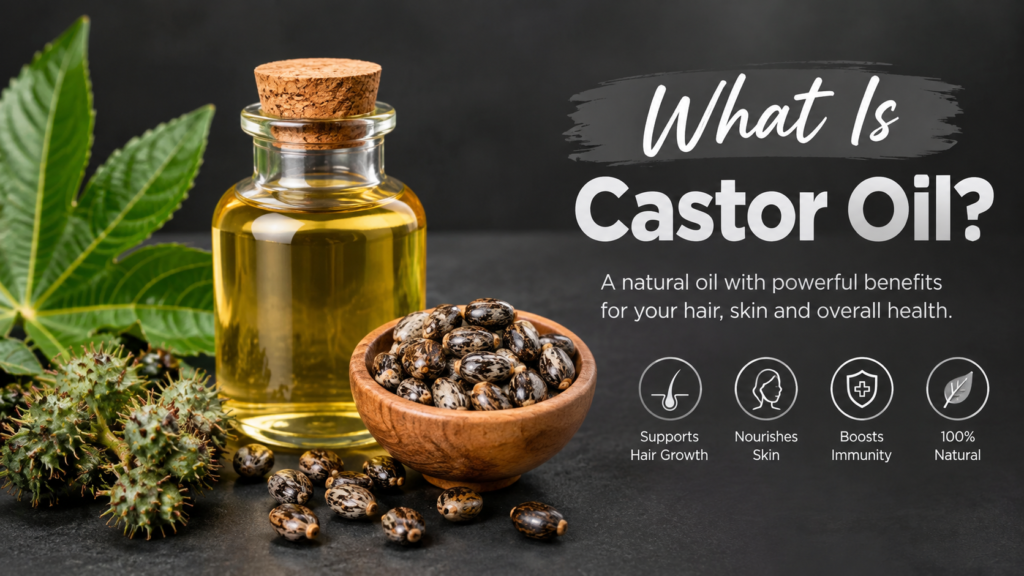
Castor oil comes from the seeds of Ricinus communis. It is pale yellow, thick, and sticky. Roughly 90 percent of its fatty acid content is ricinoleic acid, which explains its heavy body.
You will see a few types on shelves:
- Cold-pressed castor oil: Pressed without heat, usually clear to pale yellow. A common choice for hair and skin.
- Jamaican black castor oil: Made from roasted seeds, which gives it a dark color and a smoky scent. It is often described as more alkaline because of the ash used in processing.
- Refined or solvent-extracted castor oil: Often cheaper and lighter in color. It may be more processed.
Castor oil is also sold as a laxative to swallow, but that is a separate use. Do not swallow castor oil meant for hair or skin, and talk to a doctor before taking it by mouth.
Its main downside is the mess. It is sticky and hard to wash out, so it takes patience and a good shampoo.
How to shop for castor oil
Choose a bottle that lists only castor oil (Ricinus communis seed oil). Cold-pressed, hexane-free options are easy to find in the US. If you buy Jamaican black castor oil, patch test first, because the stronger processing can bother sensitive scalps. Keep the bottle capped and stored in a cool, dark place.
Benefits of Castor Oil for Hair
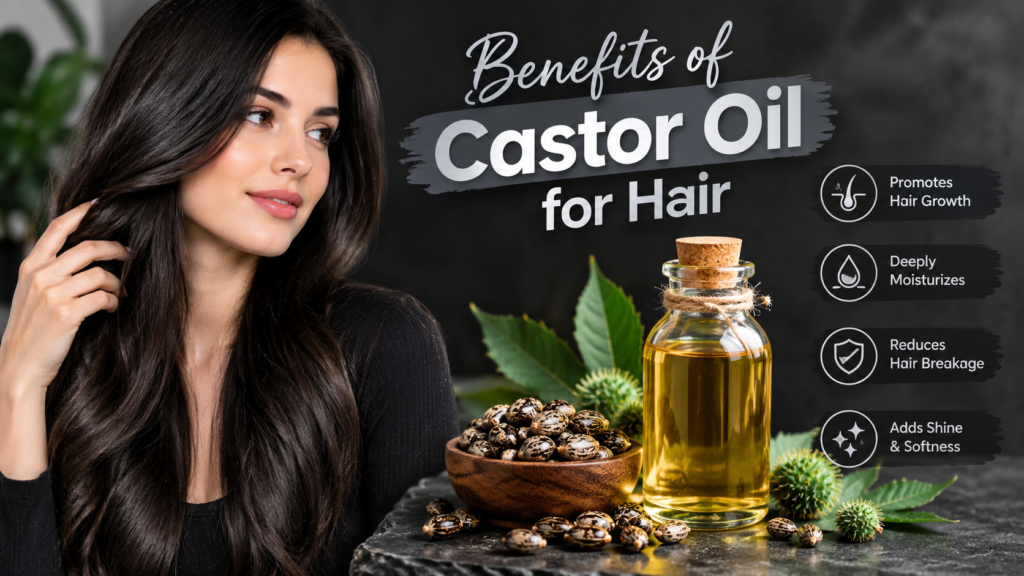
Castor oil has a huge reputation online. Some of it holds up, and some of it goes too far.
Rich moisture for dry, thick hair
The heavy texture makes castor oil a strong sealant. It coats the strand and helps lock in moisture, which is why curly, coily, and coarse hair often loves it. It can also add shine and help dry ends look smoother.
Fuller-looking hair
Because castor oil coats each strand, hair can look and feel thicker for a day or two. That is a cosmetic effect. It does not mean the oil is creating new hair.
The hair growth claim
This is the most popular claim and the least proven. Small lab studies have looked at ricinoleic acid, but there is no strong human evidence that castor oil makes hair grow faster or thicker. Some small studies suggest regular scalp massage may improve hair thickness over time. So the massage may deserve some of the credit when people see results.
Edges, brows, and targeted spots
Many people dab a small amount on edges, eyebrows, or dry ends. Keep it away from the eyes. If you notice stinging, redness, or itching, stop using it.
Limitations
Castor oil can weigh down fine hair. It can also build up on the scalp and tangle long, curly strands if you use too much. Start small.
Benefits of Castor Oil for Skin
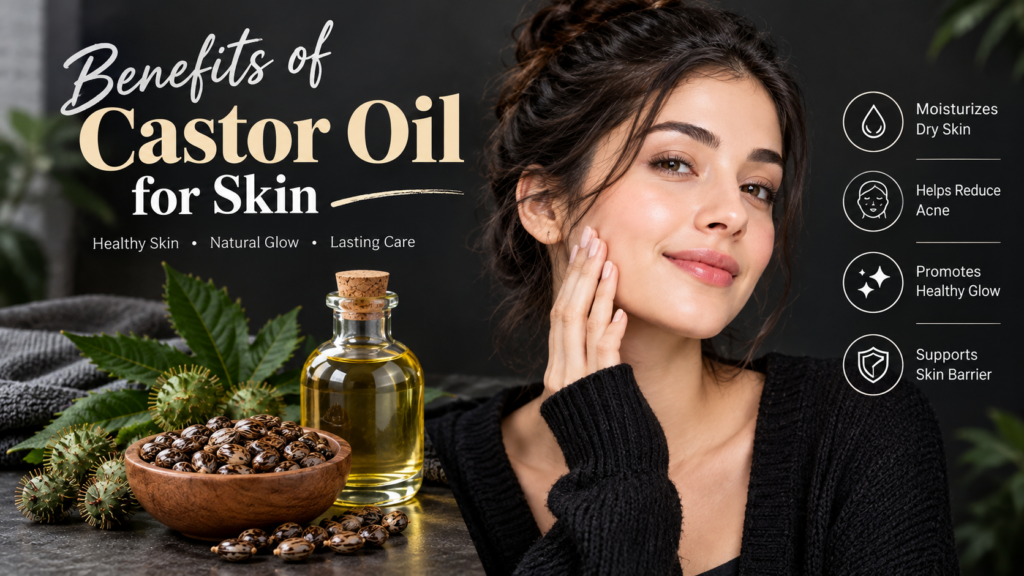
Castor oil is a thick emollient, and it shines on very dry areas.
Deep moisture for rough spots
Heels, elbows, knees, and cuticles often soak it up well. It forms a rich layer that helps slow water loss. This is why castor oil appears in many lip balms and lipsticks.
A little goes a long way
Because it is so thick, use a few drops. Warm it between your palms and press it onto the skin. Layer it over a water-based moisturizer for extra comfort.
What the evidence does not support
You will see claims that castor oil removes scars, erases wrinkles, or cures acne. The research behind those claims is limited. Treat them as hopeful, not proven.
Cautions
Castor oil can cause skin irritation or an allergic reaction in some people. It may feel too heavy on the face and can clog pores for some. Do not apply it to broken skin, open wounds, or a suspected infection without asking a doctor.
Castor Oil vs Jojoba Oil for Hair
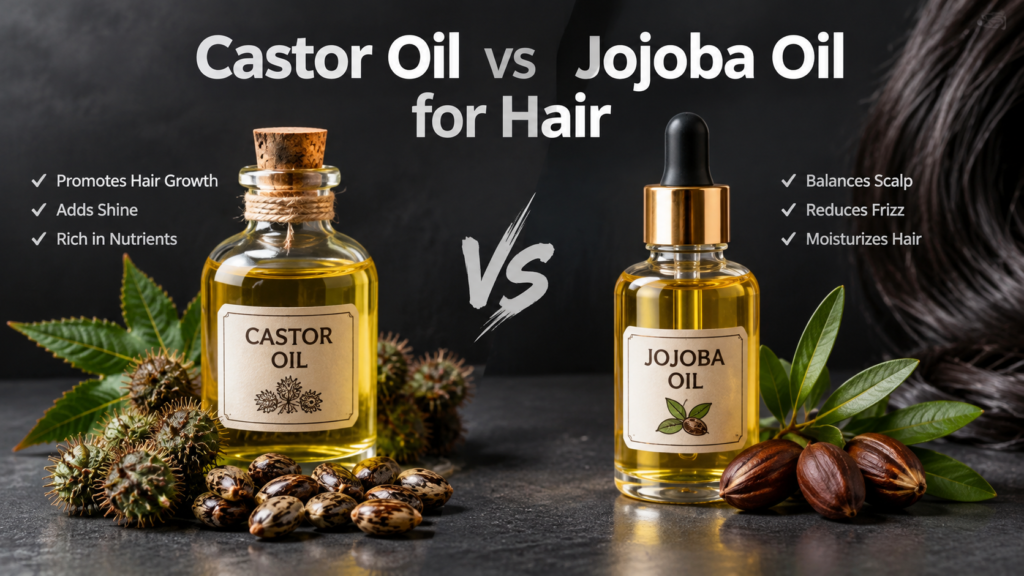
Here is the direct comparison. The right choice depends on your hair type, scalp, and routine more than on which oil is “stronger.” If you have been weighing jojoba vs castor oil for hair, this table should help.
| Hair Type or Concern | Better Pick | Why |
| Fine, straight hair | Jojoba | Light, will not weigh strands down |
| Wavy hair | Jojoba, or a small amount of castor | Adds smoothness without losing movement |
| Curly or coily hair | Castor (small amounts), or a blend | Seals moisture in thirsty strands |
| Thick or coarse hair | Castor or a blend | Can handle the heavier texture |
| Oily scalp | Jojoba | Feels lighter and balances more easily |
| Dry or flaky scalp | Jojoba, or a diluted blend | Gentle and comfortable |
| Dry, damaged ends | Castor (a few drops) | Rich coating helps ends look smoother |
| Color-treated hair | Either, in small amounts | Both are fine as a light finishing touch |
Hair growth
Neither oil has been shown to reliably grow hair. If growth is your goal, think about the basics first: a healthy scalp, gentle handling, less breakage, and checking with a doctor if shedding seems unusual. Oils may help by reducing dryness and breakage, which helps hair keep its length.
Ease of use
Jojoba rinses out easily. Castor oil takes more shampoo and more effort. If you hate heavy, sticky hair, jojoba wins.
Density and hair length
Hair with low density shows oil quickly, so jojoba is the safer choice. Dense hair hides more product and can handle a richer blend. On short hair, a drop or two is plenty. On long hair, focus on the lengths and ends, not the roots.
Styling and protective styles
If you wear braids, twists, or protective styles, a light layer of jojoba can keep the scalp comfortable. Heavy castor oil can cause buildup under the style. If you heat style, apply oil sparingly and use a proper heat protectant, since oil alone does not shield hair from hot tools.
Common mistakes
- Using too much, especially on fine hair
- Putting oil on a dirty scalp and never washing it out well
- Applying thick oil to the roots when your scalp is already oily
- Expecting fast, dramatic results
- Skipping the patch test
Castor Oil vs Jojoba Oil for Skin
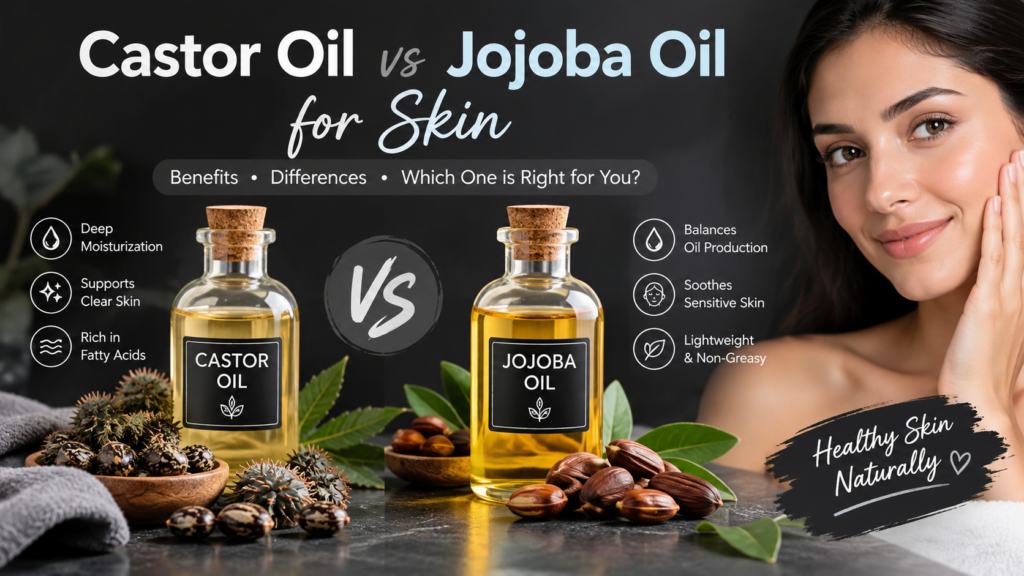
For most faces, jojoba is the safer, lighter option. For very dry body areas, castor oil can be the stronger moisturizer. Here is how jojoba oil vs castor oil for skin plays out by skin type.
| Skin Type or Area | Better Pick | Notes |
| Oily skin | Jojoba | Light feel, less likely to feel greasy |
| Acne-prone skin | Jojoba (patch test first) | Often tolerated, but not guaranteed |
| Dry skin | Jojoba, or castor on body | Castor adds richness to dry patches |
| Sensitive skin | Jojoba | Gentler for most, but test first |
| Mature skin | Either | Both moisturize, neither erases wrinkles |
| Lips and cuticles | Castor | Thick film protects dry spots |
| Makeup removal | Jojoba | Spreads easily and wipes off clean |
Face vs body
Think of jojoba as a face and everyday oil, and castor as a spot treatment. Castor can feel suffocating on the face, and some people find it triggers breakouts. If you want its richness on your face, mix a small amount into jojoba instead of using it straight.
Eyelids and lashes
People often put castor oil on lashes and brows. The skin around the eyes is delicate, and oil in the eye can irritate. Use clean tools, apply a tiny amount, and stop if you feel any discomfort.
Where oil fits in your skin routine
Oils work best as the last step of a routine, after water-based products. They seal in moisture but do not replace sunscreen or a moisturizer with humectants. Use a few drops at night and see how your skin responds over a couple of weeks.
Can You Mix Castor Oil and Jojoba Oil?
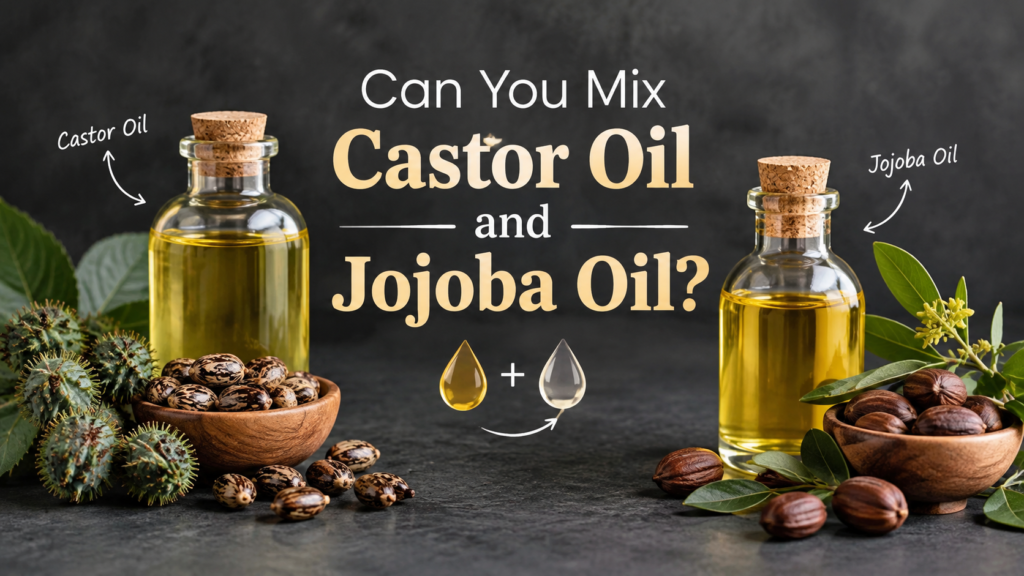
Yes, and it is one of the smartest ways to use castor oil vs jojoba oil together. Castor oil is thick and hard to spread. Jojoba is thin and easy to apply. Mixed, you get the richness of castor with the spreadability of jojoba.
There is also a practical benefit. A diluted blend is less sticky, easier to wash out, and less likely to feel heavy.
Simple blend ideas
- Light scalp blend: 1 part castor oil to 3 parts jojoba oil
- Balanced hair blend: 1 part castor oil to 2 parts jojoba oil
- Rich ends blend: 1 part castor oil to 1 part jojoba oil
For the face, keep castor to a very small share of the blend, or skip it if your skin is breakout-prone.
Tips for mixing
Use a clean, dark glass bottle with a dropper. Label it with the date. Shake gently before each use. Make small batches so the blend stays fresh. If you add essential oils, use only a few drops and patch test first, since they can irritate skin.
The pairing of jojoba and castor oil for hair works especially well for curly and coily textures, where moisture and slip both matter.
Which Oil Should You Choose?
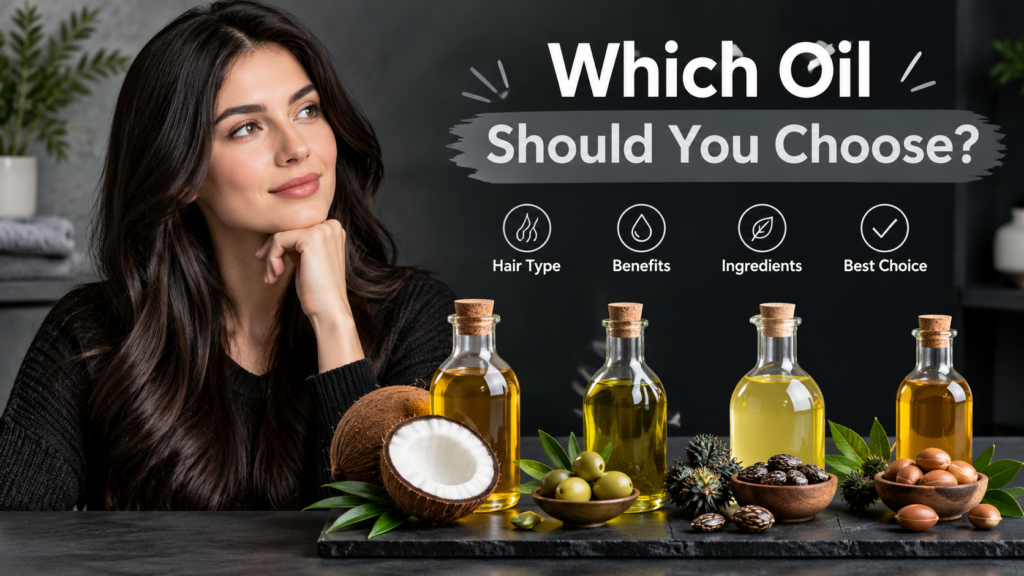
When you compare castor oil vs jojoba oil, there is no single winner. The better oil depends on your hair, skin, and how much richness you want. Use these quick guides.
Choose Jojoba Oil If…
- You have fine, straight, or easily weighed-down hair
- Your scalp gets oily fast
- You want an oil for your face, not just your body
- You prefer something easy to wash out
- You have sensitive or acne-prone skin and want a gentle starting point
- You want a daily, low-effort oil
Choose Castor Oil If…
- Your hair is thick, coarse, curly, or very dry
- You want a rich sealant for dry ends or edges
- You need a heavy moisturizer for lips, cuticles, or rough body skin
- You do not mind a sticky feel and a longer wash routine
- You use it in small amounts as a targeted treatment
Choose Both If…
- You want castor oil’s richness without the mess
- You have long or thick hair that needs both moisture and slip
- You like pre-wash scalp and hair treatments
- You want a flexible routine you can adjust by season
How to Use Castor Oil and Jojoba Oil for Hair
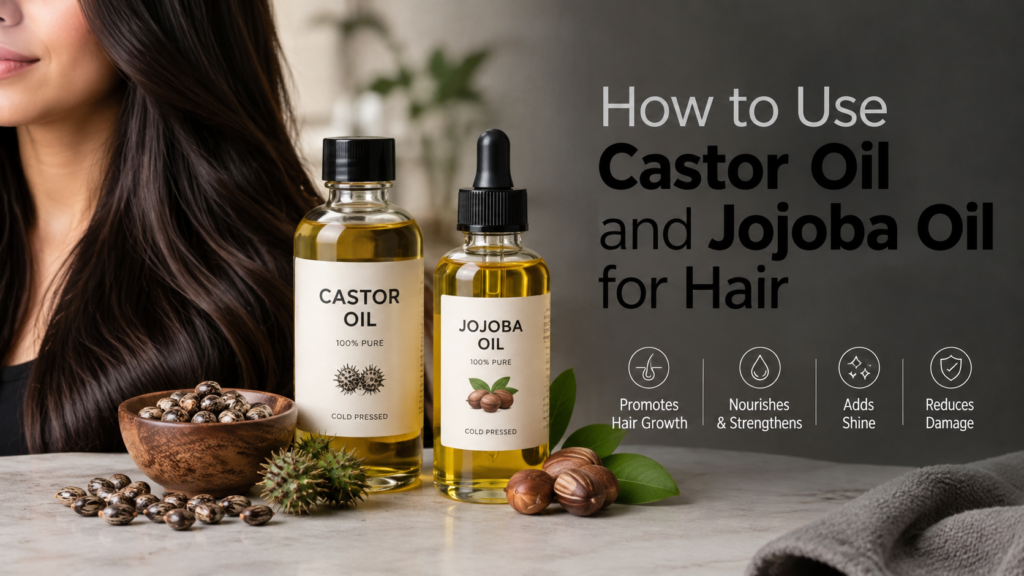
Using an oil well matters more than which one you pick. Follow these steps.
Step 1: Patch test
Dab a tiny amount on your inner forearm. Wait 24 hours. If you see redness, itching, or swelling, do not use it.
Step 2: Warm the oil
Rub a few drops between your palms. Warm oil spreads more evenly. For a blend, mix it in a small bowl first.
Step 3: Apply to the right place
- Scalp treatment: Part your hair in sections. Apply a small amount with your fingertips and massage gently for a few minutes.
- Lengths and ends: Smooth the oil from mid-length to the tips. Skip the roots if your scalp is oily.
- Edges: Use a tiny dab, then smooth it into place.
Step 4: Leave it on
For a pre-wash treatment, leave it on for 30 minutes to a few hours. Many people avoid sleeping in thick oil, since it can transfer to pillows and cause buildup. If you do, protect your pillowcase with a towel or bonnet.
Step 5: Wash it out well
Apply shampoo to dry, oiled hair first, then add water and lather. This helps break down the oil. You may need to shampoo twice. Follow with conditioner on the lengths.
How often
Once a week is plenty for most people. Fine hair may need less. Thick, dry hair may handle more. Watch for buildup, limp roots, or an itchy scalp, and cut back if you see them.
Extra tips
- Use less than you think you need
- Do not apply thick oil to a very oily scalp
- Be gentle when detangling oiled hair
- Pair oiling with a good conditioner and low-heat styling habits
- See a dermatologist if you have persistent itching, flaking, or hair loss
Frequently Asked Questions
Is Castor Oil or Jojoba Oil Better for Hair Growth?
Neither has strong proof of growing hair. Castor oil is more famous for it, but evidence in people is limited.
Can You Mix Castor Oil and Jojoba Oil for Hair?
Yes. Jojoba thins castor oil so it spreads and washes out more easily.
Is Jojoba Oil Better Than Castor Oil for Oily Scalp?
Usually yes. Jojoba is lighter and less likely to leave an oily, heavy feel.
Is Jojoba Oil or Castor Oil Better for Acne-Prone Skin?
Jojoba is often the gentler choice. Always patch test, because no oil suits everyone.
Can You Use Jojoba Oil or Castor Oil Every Day?
Jojoba often works daily on skin and hair in small amounts. Castor oil is better used a few times a week.
Conclusion
Castor oil vs jojoba oil comes down to texture, hair type, and what you want from your routine. Jojoba oil is light, gentle, and easy to use every day. Castor oil is rich, sticky, and best for dry, thick hair or rough skin. Neither guarantees hair growth. If you cannot decide, blend them, start small, and patch test first. Your hair and skin will show you what works.





1 thought on “Castor Oil vs Jojoba Oil: Hair, Skin & Benefits (2026)”