
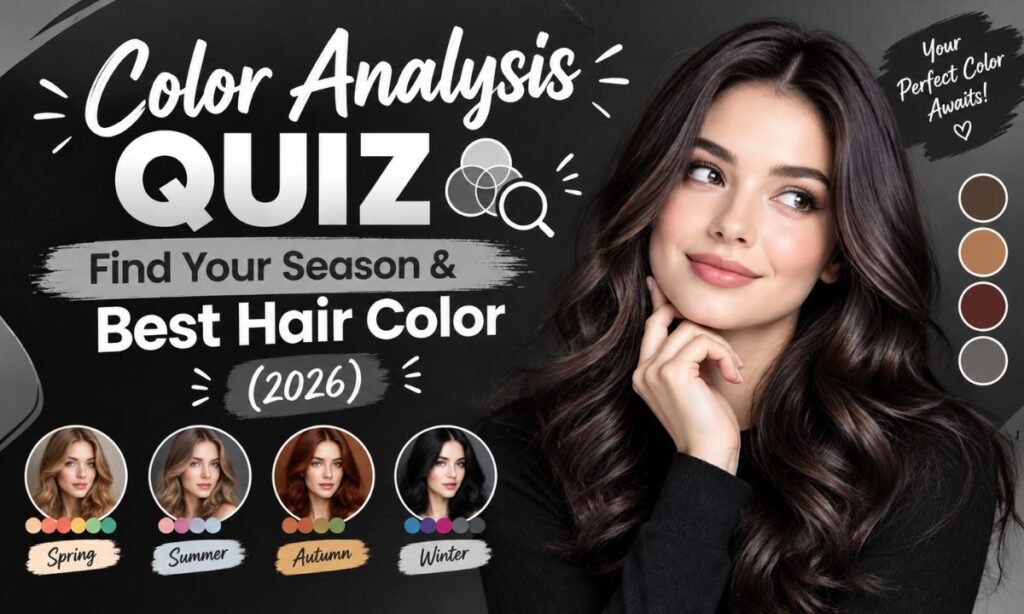
Ever dyed your hair a shade you loved on Pinterest, only to feel it made you look tired in the mirror? The problem usually isn’t the color. It’s the match between the shade and your natural coloring.
This color analysis quiz helps you find your color season in about five minutes. Then it shows you the hair colors that suit you, the ones to skip, and how to keep your shade fresh at home.
Quick Answer
Your color season is decided by three things: undertone, value, and chroma. Answer the nine questions below, count your most common letter, and match it to your season.
- Mostly A: Spring (warm, light, bright)
- Mostly B: Summer (cool, light, soft)
- Mostly C: Autumn (warm, deep, muted)
- Mostly D: Winter (cool, deep, high contrast)
Once you know your season, choose a hair color with the same temperature as your skin. Warm skin suits golden and copper shades. Cool skin suits ash and espresso shades.
What Is Seasonal Color Analysis?
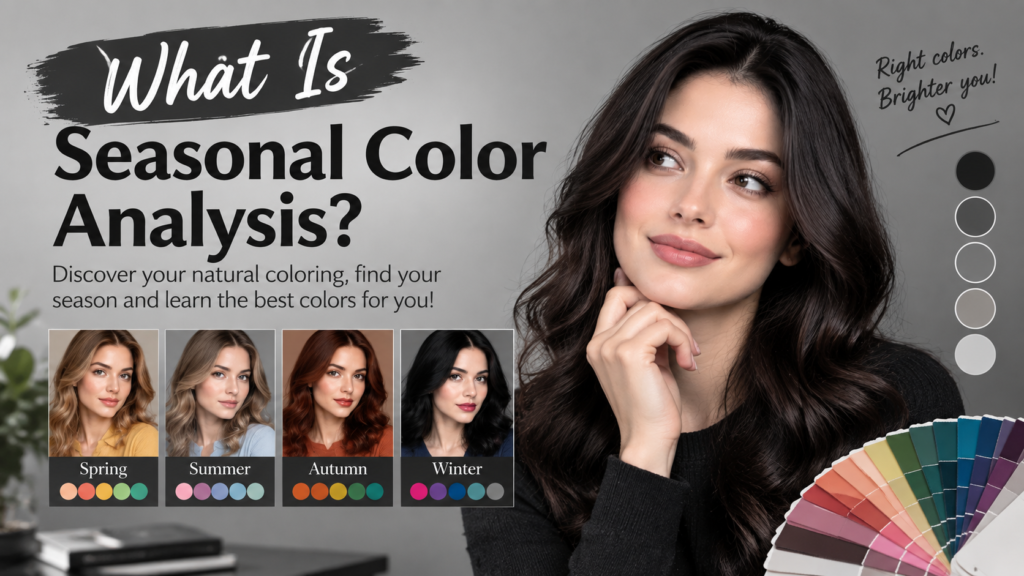
Seasonal color analysis sorts people into four palettes: Spring, Summer, Autumn, and Winter. Each palette groups the colors that harmonize with your skin, eyes, and hair. The idea is simple. Colors that match your natural tones make you look healthy and bright.
Colors that clash can do the opposite. A shade that fights your undertone can bring out redness, shadows, or dullness. This is why the same hair color can look stunning on one person and flat on another.
Three traits decide your season:
- Undertone: warm (golden) or cool (pink or blue)
- Value: light or deep
- Chroma: bright and clear, or soft and muted
Undertone is the most important trait. It is the subtle color beneath your skin’s surface, and it does not change with tanning or aging. Value tells you how light or dark your overall coloring is.
Chroma describes how vivid or gentle your features look. Some people have crisp, high-clarity coloring. Others have a softer, blended look where nothing stands out sharply.
Your season is a starting point, not a rulebook. A professional draping session in daylight is still the most precise method. But a good quiz gets most people close.
How to Prepare for the Quiz

Answer honestly, not aspirationally. Many people pick the answers of the season they wish they were. That gives you a result you like, but not one that flatters you.
A few quick tips will improve your accuracy:
- Stand near a window in natural daylight.
- Remove makeup, or wear as little as possible.
- Think about your natural hair color, not your dyed shade.
- Look at your veins, jewelry, and eyes in a mirror.
Daylight matters more than anything else. Indoor bulbs can add yellow or blue casts that confuse your undertone. Morning light from a north-facing window is ideal.
Makeup and tanning can also hide your true tone. If you have a tan, think about your skin in winter. If you dye your hair, check your roots or old photos from childhood.
Have a white towel or plain white shirt nearby. Holding it near your face makes your natural tones easier to see. Take your time and compare each option carefully.
The Color Analysis Quiz: 9 Questions

Note your answers (A, B, C, or D) as you go. If two answers seem equally true, pick the one that feels most natural in daylight. Do not overthink it.
1. What is your overall skin tone?
This question looks at your general depth. Think about your skin without a tan.
- A: Fair or porcelain
- B: Light to medium
- C: Olive or tan
- D: Deep or rich brown
2. What is your skin undertone?
Undertone is separate from skin tone. Two people with the same depth can have very different undertones.
- A: Golden, peachy, or yellow
- B: Pink, rosy, or bluish
- C: Olive or greenish
- D: Neutral, and I can’t tell
Tip: Check your inner wrist in daylight. Green-leaning veins often mean warm. Blue or purple veins often mean cool. If you see both, you may be neutral.
3. Which type of jewelry flatters you most?
Metal is a quick clue to temperature. Hold each piece near your face and see which one makes your skin glow.
- A: Yellow or rose gold
- B: Silver or platinum
- C: Antique or bronze-toned gold
- D: Both look fine on me
4. What is the contrast between your skin and natural hair?
Contrast is the difference between your lightest and darkest features. Look at your skin, hair, and eyes together.
- A: Low, because both are light
- B: Low to medium, soft and blended
- C: Medium, with warm depth
- D: High, with a striking difference
5. Which clothing colors flatter you most?
Think about the colors people compliment you on. These are often the ones that match your undertone.
- A: Coral, peach, warm turquoise
- B: Lavender, dusty rose, soft blue
- C: Rust, olive, mustard
- D: Black, true white, jewel tones
6. What is your eye color?
Eyes reveal both depth and clarity. Check them in natural light, since indoor lighting can change how they look.
- A: Light green, aqua, or golden blue
- B: Gray-blue, soft green, or soft brown
- C: Hazel, amber, or warm dark brown
- D: Dark brown, black, or icy blue
7. What is your natural hair level?
Think about the shade you were born with. Childhood photos can help if you have colored your hair for years.
- A: Light blonde to golden blonde
- B: Ash blonde to medium brown
- C: Auburn, copper, or warm brown
- D: Dark brown to black
8. What type of change are you looking for?
This question shapes how far you should go with your new shade. It does not change your season.
- A: A subtle refresh
- B: A noticeable but natural upgrade
- C: A bold, dramatic shift
- D: Just going back to my natural shade
9. What style do you prefer?
Personal style often matches natural coloring. Your answer here can confirm what the earlier questions showed.
- A: Fresh and youthful
- B: Soft and elegant
- C: Earthy and cozy
- D: Sharp and polished
Your Quiz Results
Count your most common letter. Then find it in the table below.
| Mostly | Your Season | Core Traits |
| A | Spring | Warm, light, bright |
| B | Summer | Cool, light, soft |
| C | Autumn | Warm, deep, muted |
| D | Winter | Cool, deep, high contrast |
Got a tie? You may have a “blend” season, such as Soft Summer or Deep Autumn. More on that in the FAQs.
If your answers are spread evenly, focus on questions 2, 3, and 4. Undertone, metal, and contrast are the strongest signals. They are usually more reliable than style preferences.
See More: Basic Hair Colorimetry: A Practical Guide for Colorists (2026)
The 4 Color Seasons and How They Affect Hair Color
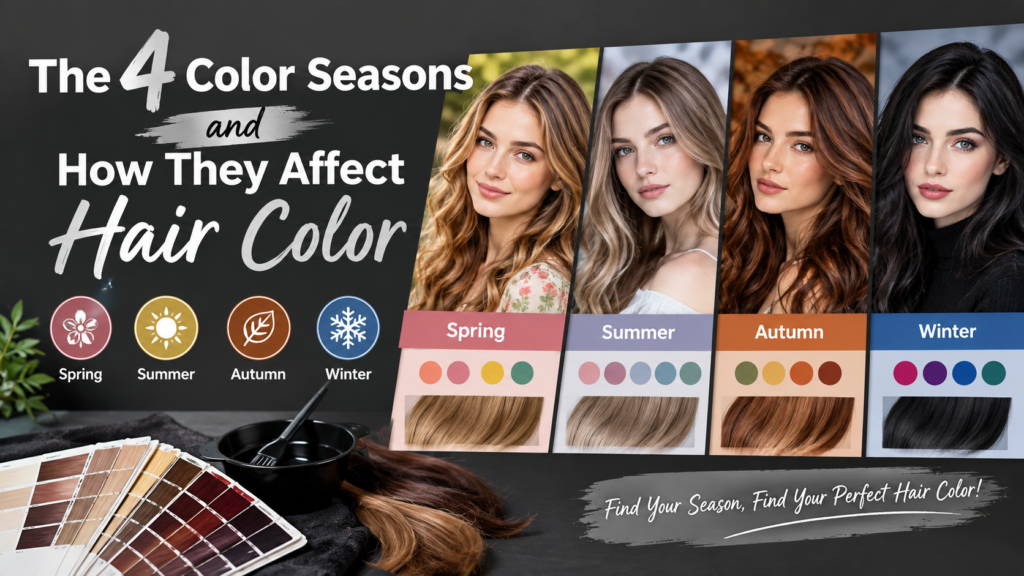
Each season has its own palette and its own best hair shades. Read your season first. Then read the season next to it, since many people overlap.
Spring: Warm and Luminous
Springs have golden or peachy skin and light, clear eyes. Their look is fresh and glowing. Their features tend to look bright rather than heavy.
Colors that flatter you: coral, warm pink, aqua, leaf green, ivory, golden yellow.
Recommended hair colors:
- Honey blonde
- Golden strawberry blonde
- Light golden brown
- Warm caramel highlights
These shades add sunlight to your face. Honey and caramel tones echo the warmth in your skin. They make your eyes look clearer and your complexion look healthy.
Hair colors to avoid:
- Blue-black
- Ash gray
- Heavy platinum
Cool, heavy shades can drain a Spring’s glow. They may also make your skin look yellow or tired. If you love blonde, keep it soft and golden.
Care tip: Warm blondes can turn brassy. Use a gentle color-protecting shampoo and a weekly mask.
Summer: Cool and Soft
Summers have pink or neutral-cool skin and soft, blended contrast. Their coloring looks gentle, never harsh. Nothing about Summer’s look is sharp or stark.
Colors that flatter you: dusty rose, lavender, powder blue, sage, soft gray.
Recommended hair colors:
- Ash blonde
- Cool light brown
- Soft mushroom brown
- Beige blonde
These shades keep the look calm and refined. Mushroom brown is especially flattering because it blends with your soft contrast. It also hides regrowth well.
Hair colors to avoid:
- Orange-red
- Brassy gold
- Jet black
Warm or very dark shades can overpower a Summer’s delicate features. Jet black in particular creates harsh contrast. It can make your skin look pale or washed out.
Care tip: Cool tones fade fast. A blue-toned or violet-toned shampoo every couple of weeks keeps warmth from creeping in.
Autumn: Warm and Deep
Autumns have golden, olive, or bronze skin and rich, earthy features. Their coloring looks warm and grounded. Their skin often has a natural glow, like late afternoon light.
Colors that flatter you: rust, olive, terracotta, mustard, forest green, chocolate.
Recommended hair colors:
- Copper
- Auburn
- Chestnut brown
- Golden brown with warm lowlights
These shades bring out the depth in your eyes and skin. Copper and auburn are especially striking in Autumn. Warm lowlights add dimension without losing richness.
Hair colors to avoid:
- Ash or icy tones
- Cool platinum
- Blue-black
Icy shades clash with warm skin and can look gray or flat. Blue-black may look harsh next to golden undertones. Stay in the warm, earthy family for the best result.
Care tip: Red and copper shades fade quickly. Wash with lukewarm water and use a color-safe conditioner.
Winter: Cool and Intense
Winters have strong contrast, like deep hair against fair skin or dark eyes against bright whites. Their look is bold and crisp. They can carry dramatic color better than any other season.
Colors that flatter you: true red, royal blue, emerald, fuchsia, pure white, black.
Recommended hair colors:
- Espresso brown
- Cool black
- Deep burgundy
- Dark cool brown with a subtle blue-violet sheen
These deep shades match your natural intensity. They keep the contrast strong and the look polished. A hint of blue-violet adds a modern, glossy finish.
Hair colors to avoid:
- Golden blonde
- Warm caramel
- Orange-based reds
Warm, light shades soften your contrast and can look muddy. They may also fight your cool undertone. If you want highlights, keep them cool and minimal.
Care tip: Dark shades look best with shine. A leave-in conditioner keeps them glossy.
Season to Salon: Level and Reflect
Salon language boils down to two ideas:
- Level is how light or dark a color is, on a scale from 1 (black) to 10 (lightest blonde).
- Reflect is the tone you see in the light: warm, cool, or neutral.
Your season tells you the reflect. Your natural level and skin depth tell you how far to go. When in doubt, stay within two levels of your natural shade for the most believable result.
Using these two words helps your stylist understand you quickly. Saying “level 7 with a cool ash reflect” is clearer than saying “a medium blonde.” It also reduces the risk of surprises in the chair.
| Season | Best Reflect | Typical Level Range |
| Spring | Golden, warm | 6–9 |
| Summer | Ash, cool beige | 6–9 |
| Autumn | Copper, warm brown | 3–7 |
| Winter | Cool, blue-based | 1–4 |
Bring photos to your appointment, but explain what you like about them. A photo may show a shade under studio lighting. Your stylist can adjust it to suit your undertone.
How to Care for Your Color at Home
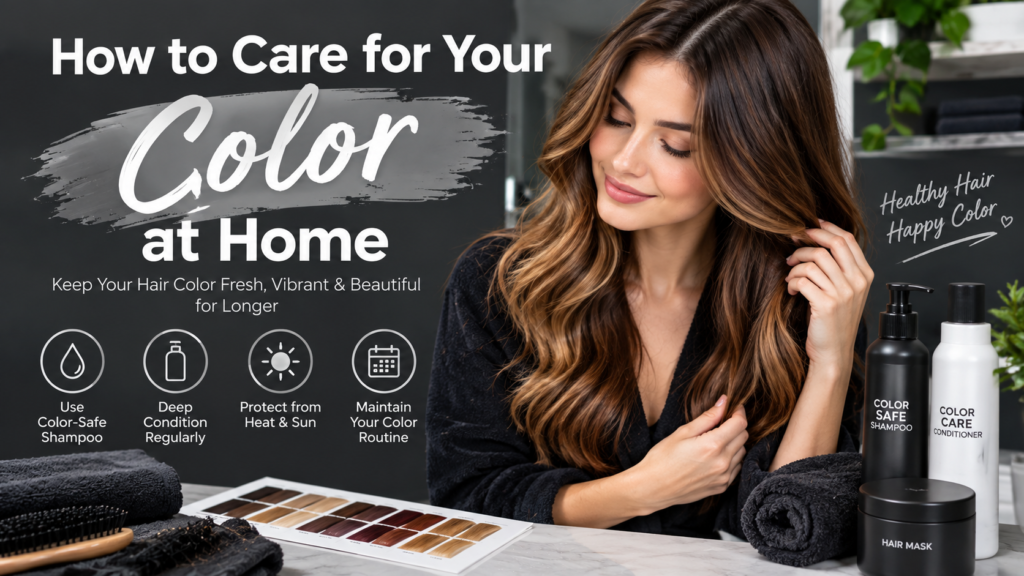
Good color fades without good maintenance. Match your routine to your shade. The right products protect tone, shine, and strength between salon visits.
For blondes and light shades
Use a toning shampoo such as Fanola No Yellow once a week. It neutralizes yellow tones before they take over. Do not use it daily, since it can leave a purple cast.
Follow with a color-safe mask like the Wella Invigo Color Brilliance mask. Add a leave-in such as Olaplex No.5 for smoother strands.
For brunettes and warm reds
A neutralizing shampoo like Fanola No Orange helps if brown turns brassy. It cancels unwanted orange tones and restores depth. Use it once a week or as needed.
Pair it with a shampoo and conditioner set like Wella Invigo Color Brilliance. This combination helps lock in pigment and keeps hair soft.
For dark shades and bond repair
Try Olaplex No.4 Bond Maintenance Shampoo to support color-treated strands. Dark shades still need repair, especially after lightening or heat styling.
Add the Fanola Nourishing conditioner for softness and shine. Healthy hair reflects light better, which makes dark color look richer.
General habits that help every shade
- Wash less often, ideally two or three times a week.
- Rinse with cool or lukewarm water.
- Use heat protection before styling.
- Book a gloss or toner refresh every six to eight weeks.
Hot water opens the hair cuticle and lets pigment escape. Cool water seals it. Small habits like this add weeks to your color.
Common Mistakes to Avoid
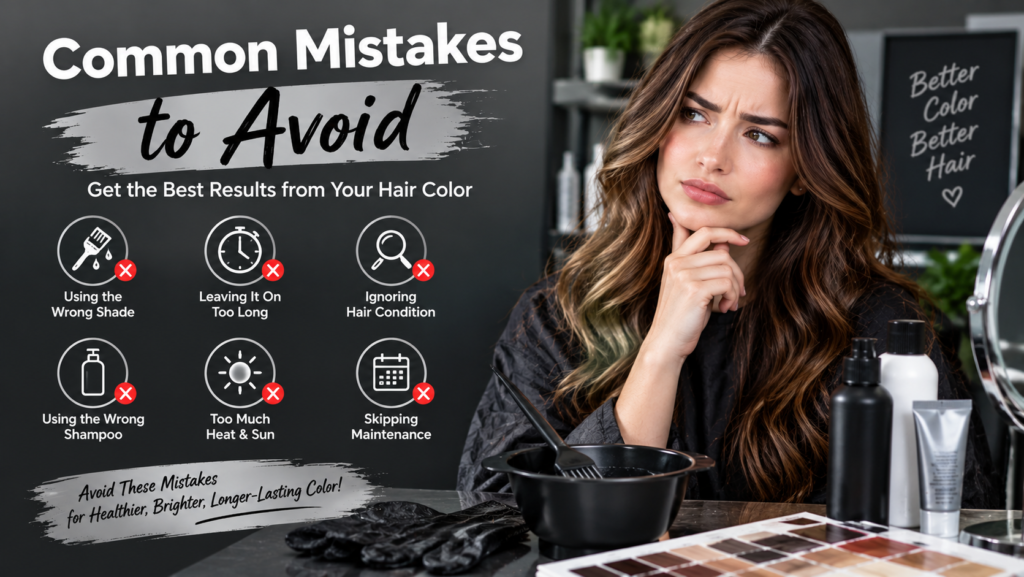
Even with the right season, a few errors can ruin the result. Knowing them in advance saves time and money.
Choosing a color from a photo without checking your undertone. Filters and lighting change how a shade looks. Always compare it with your own coloring first.
Going too far from your natural level in one session. Big jumps often lead to damage, uneven tone, or a harsh look. Gradual changes look more natural and keep hair healthier.
Ignoring your eyebrows. They should look believable next to your new shade. If the gap is large, ask your stylist to tint them or use a brow product.
Skipping toner or gloss between appointments. Tone fades before color does. A gloss refresh keeps your shade looking new and prevents brassiness.
Frequently Asked Questions
How do I find my color season?
Check your undertone, contrast, and eye color, then match them to Spring, Summer, Autumn, or Winter. A quiz like the one above is a fast first step. For a deeper result, try draping colored fabric near your face.
Is a color analysis quiz accurate?
It’s a good starting point, but it’s not perfect. Lighting, makeup, and self-perception can shift results. A professional draping is the most reliable method.
Can my color season change over time?
Your undertone stays the same, but gray hair and fading can soften your contrast. Some people shift toward a softer season as they age. Your palette usually stays in the same temperature family.
What if I’m between two seasons?
You may be a blend, like Soft Autumn or Light Spring. Choose hair colors that overlap both palettes. Neutral, balanced shades often work best.
What hair color suits a cool undertone?
Ash blonde, cool brown, espresso, and burgundy tend to look best. Avoid golden and orange-based shades. They can clash with pink or blue undertones.
What hair color suits a warm undertone?
Honey, caramel, copper, and golden brown are usually the safest picks. Ash shades can look flat. Warm tones bring out the natural glow in your skin.
Can I use this quiz if I dye my hair?
Yes, but answer based on your natural color if you remember it. Your roots are a good clue. Old photos can also help.
How often should I refresh my hair color?
Most people need a touch-up or gloss every six to eight weeks. Darker shades may last longer. Your stylist can suggest the best schedule for your hair.
Conclusion
Your color season is a simple tool with a big payoff. Once you know whether you’re a Spring, Summer, Autumn, or Winter, choosing hair color, clothing, and even makeup gets easier. You stop guessing and start choosing with confidence.
Start with your quiz result, bring it to your stylist, and ask for the right level and reflect. Share your season, your natural level, and the mood you want. This gives your stylist a clear direction to work with.
Then protect your shade at home with the right shampoo and mask. Small, consistent care keeps your color looking salon-fresh long after you leave the chair.





1 thought on “Color Analysis Quiz: Find Your Season & Best Hair Color (2026)”