
Ever dyed your hair and thought, “Something feels off”? The shade may be pretty on its own, yet it may not suit your natural coloring. This is one of the most common hair color regrets, and it is easy to avoid.
A color analysis test fixes that problem. It matches your skin, eyes and hair to one of four seasons: Spring, Summer, Autumn or Winter. Each season has its own palette of clothes, makeup and hair shades, so you can choose with confidence.
This guide walks you through a quick self-test, shows you your season, and gives you salon-ready hair color advice. You will also find at-home care tips to keep your new shade looking fresh between appointments.
What Is a Color Analysis Test?
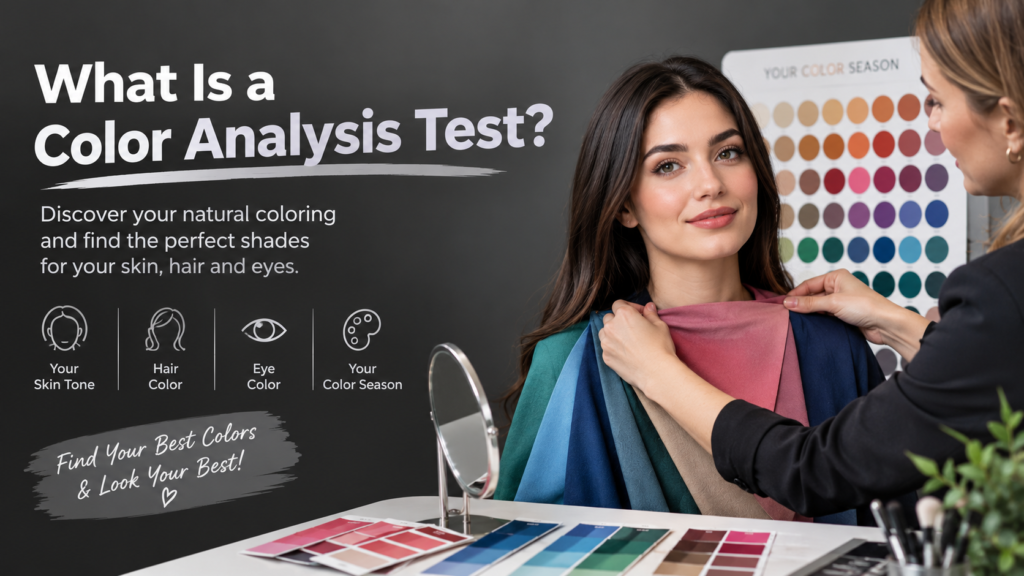
A color analysis test finds the colors that harmonize with your natural features. Instead of following trends, it uses your own coloring as the guide. The result is a palette that makes your skin look clear, your eyes look brighter and your hair look healthy.
The test looks at three things:
- Undertone: the warm, cool or neutral hue beneath your skin.
- Contrast: how different your skin, hair and eyes are from one another.
- Depth and clarity: whether your coloring is light or deep, soft or bright.
Undertone is the most important factor. It stays the same all year, even when your skin tans or fades. Two people can have the same hair color but need very different shades because their undertones differ.
Contrast and depth refine the result. A person with fair skin and dark hair has high contrast. A person with light skin and light hair has low contrast. Each needs a different level of intensity in clothes and hair color.
An online quiz gives you a reliable starting point. A professional draping session, where a stylist holds colored fabric near your face, is more precise. Many people take the quiz first and then confirm the result with a stylist.
Take the Color Analysis Test: 9 Simple Questions
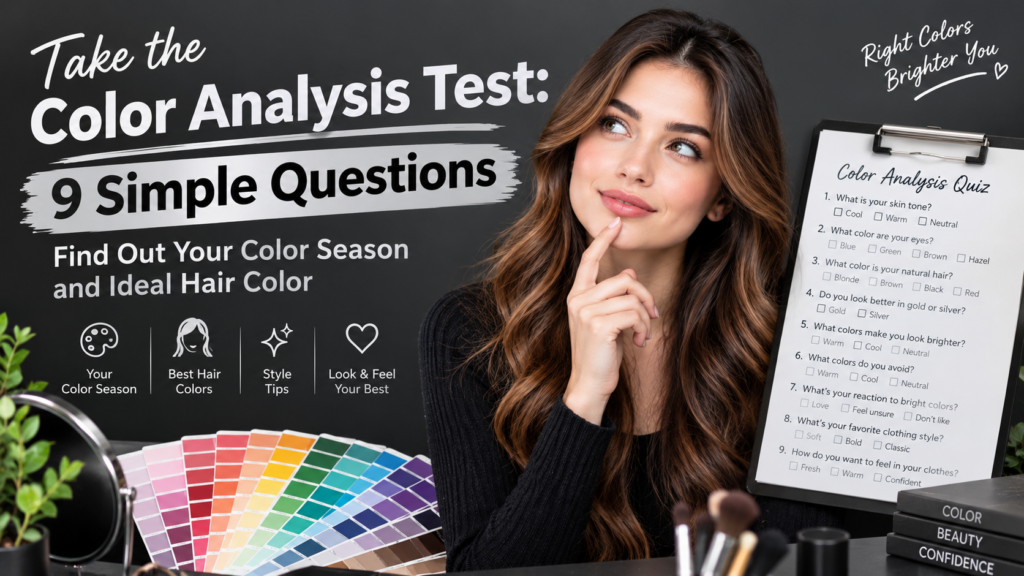
Use natural daylight and a bare face. Sit near a window, but avoid harsh direct sun. Note your answers, then tally them at the end.
Answer each question honestly, based on your natural features. Do not think about the color you wish you had. If two answers seem to fit, pick the one that appears more often in daily life.
1. What is the overall skin tone?
- Fair or light: burns easily
- Medium or olive: tans gradually
- Deep: rarely burns
Skin tone describes depth, not undertone. Two people with fair skin can have very different undertones, so treat this as only one piece of the puzzle.
2. What is the skin undertone?
Look at the veins on your inner wrist in daylight.
- Green veins: warm
- Blue or purple veins: cool
- A mix: neutral
If you cannot tell, hold a pure white sheet of paper next to your face. Warm skin looks slightly yellow beside it, while cool skin looks slightly pink.
3. Which type of jewelry looks best on you?
- Gold: warm
- Silver: cool
- Both look fine: neutral
Try both metals near your face. Notice which one makes your skin look healthy and which one makes it look dull or tired.
4. What is the contrast between your natural skin and hair?
- Low: skin and hair are close in depth
- Medium: a noticeable but soft difference
- High: clear difference, such as fair skin with dark hair
Contrast helps separate similar seasons. Low contrast suits gentle shades, while high contrast can carry bold, striking colors.
5. Which clothing colors suit you best?
- Bright, clear shades: Spring or Winter
- Soft, dusty shades: Summer
- Earthy, rich shades: Autumn
Think about the clothes that bring you the most compliments. Those pieces often match your season without you realizing it.
6. What color are your eyes?
- Light blue, green or light hazel: Spring or Summer
- Dark brown, black or deep hazel: Autumn or Winter
Eye color adds depth to your result. Look at your eyes in daylight, and notice any gold or grey flecks around the pupil.
7. What is your natural hair level?
Think of your natural color, not your dyed color. Level 1 is black and level 10 is the lightest blonde.
- Levels 7–10: light
- Levels 4–6: medium
- Levels 1–3: dark
If you have dyed your hair for years, check your roots or an old photograph. Your natural level is the starting point for any safe color change.
8. What type of change are you looking for?
- Subtle refresh: stay within one or two levels
- Noticeable upgrade: shift tone or add dimension
- Full transformation: a new level and tone
This answer tells your colorist how much work is needed. A bigger change means more time, more cost and more aftercare.
9. Which style do you prefer?
- Natural and low-maintenance
- Polished and glossy
- Bold and dramatic
Your style choice affects the finish. Natural styles grow out gracefully, while glossy and bold styles need regular salon visits.
Questions 1–7 decide your season. Questions 8–9 shape which hair shades will work for you.
Your Color Season: Quick Results
Count your answers for warm, cool and neutral undertones first. Then check your contrast and depth. Use the table below to find the season that fits best.
| Season | Undertone | Contrast | Best Jewelry | Typical Feel |
| Spring | Warm | Low–medium | Gold | Bright and fresh |
| Summer | Cool | Low–medium | Silver | Soft and airy |
| Autumn | Warm | Medium | Antique gold, bronze | Rich and earthy |
| Winter | Cool | High | Silver, platinum | Crisp and intense |
Mostly warm answers with light features point to Spring. Mostly warm with deeper features point to Autumn. Cool and soft points to Summer, and cool and dramatic points to Winter.
If your answers are split between two seasons, do not worry. Many people sit between two groups. Read both sections below and see which palette feels more natural on you.
The 4 Color Seasons and How They Affect Hair
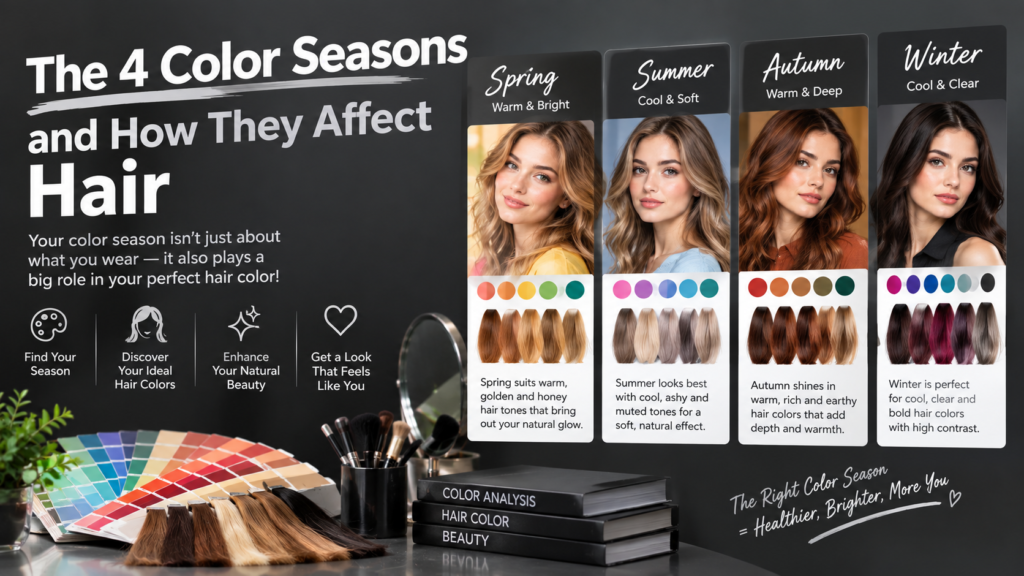
Each season below includes a palette, hair color ideas, shades to avoid and a home care routine. Use these as a guide when you plan your next color appointment.
Spring: Warm and Bright
Springs glow in light, clear, sunny tones. Think peach, coral, turquoise and warm ivory. Your coloring looks fresh and youthful, and it lights up in warm, lively shades.
Color palette that suits you: coral, apricot, golden yellow, aqua, warm green, camel.
These colors echo the warmth in your skin. They also brighten your eyes, which are often light and clear.
Recommended hair colors:
- Honey blonde
- Golden beige blonde
- Strawberry blonde
- Light copper
- Warm caramel brown
Golden shades reflect light and add a healthy glow around your face. Ask your colorist for soft, sun-kissed dimension rather than a flat, single tone.
Hair colors to avoid: ashy grey-blondes, blue-black and heavy dark browns. They flatten your natural glow.
How to Care for This Color at Home
Warm blondes and coppers fade fast, so keep them rich and hydrated. Wash with lukewarm water and limit heat styling to protect the pigment.
- Wella Invigo Color Brilliance (Shampoo + Conditioner Set): a gentle, color-protecting routine for dyed hair.
- Olaplex No. 5 Leave-In: adds softness and helps with breakage on lightened hair.
- Fanola Wonder Nourishing Conditioner: replaces moisture and adds shine.
Summer: Cool and Soft
Summers suit muted, powdery shades. Nothing about your palette should look harsh. Your coloring has a gentle, airy quality that looks best in soft, cool tones.
Color palette that suits you: lavender, dusty rose, powder blue, sage, soft grey, cool navy.
These shades blend smoothly with your skin. They keep your look calm, elegant and balanced.
Recommended hair colors:
- Light ash blonde
- Pearl or champagne blonde
- Cool mushroom brown
- Soft ash brown
- Cool light chestnut
Ash and pearl tones cancel warmth and keep your hair looking cool and polished. Soft, blended color works better than sharp contrast for you.
Hair colors to avoid: brassy gold, bright copper and jet black. All three overpower soft coloring.
See More: Color Analysis Quiz: Find Your Season & Best Hair Color (2026)
How to Care for This Color at Home
Cool blondes turn yellow quickly, so toning matters most for you. Rinse with cool water and protect your hair from sun and chlorine.
- Fanola No Yellow: a purple shampoo that cancels brassy yellow tones.
- Wella Invigo Color Brilliance Mask: a weekly treatment that supports color and softness.
- Olaplex No. 5 Leave-In: helps keep lightened strands smooth and manageable.
Autumn: Warm and Deep
Autumns thrive in earthy, spiced tones with depth. Your coloring is rich, not flashy. You look best in colors that feel natural, warm and grounded.
Color palette that suits you: olive, terracotta, mustard, rust, forest green, chocolate brown.
These colors mirror the warmth of fallen leaves. They add richness to your skin and make your eyes look deeper.
Recommended hair colors:
- Chestnut brown
- Golden brown
- Auburn
- Copper red
- Warm mahogany
Warm reds and browns bring out the natural glow in your skin. Choose shades with visible depth, and avoid anything that looks flat or pale.
Hair colors to avoid: ash blonde, platinum and cool blue-black. They drain your natural warmth.
How to Care for This Color at Home
Reds and coppers are the quickest to fade, so wash gently and condition often. Wash less frequently and always use a heat protectant.
- Fanola Wonder Nourishing Conditioner: restores moisture and adds gloss.
- Wella Invigo Color Brilliance Mask: helps lock in warm pigment.
- Olaplex No. 4 Bond Maintenance Shampoo: cleanses while supporting hair strength.
Winter: Cool and Intense
Winters wear bold contrast well. Think crisp, saturated and clean. Your coloring is striking, and it suits strong, clear shades with sharp definition.
Color palette that suits you: true red, royal blue, emerald, pure white, black, icy pink.
These colors match the high contrast in your features. They look sharp, confident and polished.
Recommended hair colors:
- Jet black
- Espresso brown
- Cool dark brown
- Blue-black
- Cool burgundy
Deep, cool shades create a clean frame for your face. Aim for high shine, since glossy dark hair looks its best on Winter coloring.
Hair colors to avoid: golden blonde, warm caramel and brassy highlights. They fight your cool undertone.
How to Care for This Color at Home
Dark cool shades can turn warm or orange as they fade. Keep them neutral. Use a gloss treatment between salon visits to refresh the tone.
- Fanola Wonder No Orange Shampoo: a blue-pigmented shampoo that neutralizes orange tones in brunettes.
- Wella Invigo Color Brilliance (Shampoo + Conditioner Set): color-safe cleansing and conditioning.
- Olaplex No. 4 Bond Maintenance Shampoo: supports strength after coloring.
From Season to Salon: Level and Tone
Your season tells you the tone. Your natural level tells you how far you can go safely. Together, these two details give your colorist a clear plan.
Tone, also called reflect, is the shade of color in your hair, such as gold, ash or copper. Level is how light or dark the hair is on a scale from 1 to 10.
| Season | Best Tone (Reflect) | Suggested Level Range |
| Spring | Golden, warm copper | 6–9 |
| Summer | Ash, pearl, cool beige | 6–9 |
| Autumn | Copper, gold, red-brown | 3–6 |
| Winter | Blue-black, cool brown | 1–4 |
Use this table as a guide, not a strict rule. Your natural level and hair health may adjust to the final choice. A good colorist will tell you what is realistic for your hair.
Tip for your appointment: Bring photos of shades you like. Tell your colorist your season and your natural level. Ask about “tone” and “reflect”, not just “brown” or “blonde”.
Photos remove confusion, because one person’s “light brown” is another person’s “dark blonde”. Clear words and clear pictures lead to better results.
Which Change Fits You? A Quick Guide
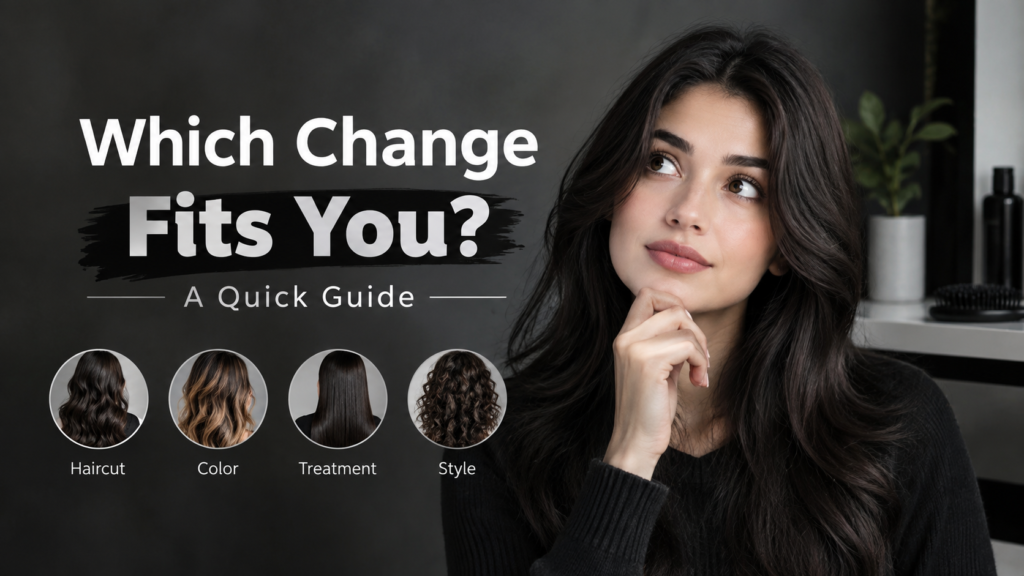
Once you know your season, decide how big a change you want. The table below matches each goal with a simple option.
| If you want… | Try this |
| A subtle refresh | Gloss or glaze in your season’s tone |
| A visible upgrade | Balayage or soft highlights in your palette |
| A full transformation | New base color, only within your season’s undertone |
A gloss is a great first step. It adds shine, corrects tone and fades gently, so it carries very little risk.
Balayage and soft highlights add dimension without harsh regrowth lines. They are ideal if you want a lower maintenance upgrade.
A full transformation changes your base color, so plan it carefully. Keep the new shade within your season’s undertone to protect your natural glow.
If your natural hair is much darker than your dream shade, expect several sessions. Lightening in stages protects hair health.
Tips for Getting the Most Accurate Result

Small mistakes can change your answers. These simple habits make your result far more reliable.
- Use natural daylight. Indoor bulbs shift how skin and hair look. Warm bulbs add yellow, while cool bulbs add blue.
- Go bare-faced. Makeup and tan products distort undertones. Remove them before you begin.
- Use your natural hair color. Not your dyed shade. Check your roots if you are unsure.
- Compare, don’t guess. Hold gold and silver jewelry against your face side by side. Notice which one looks better.
- Ask someone you trust. A second opinion catches what mirrors miss. A friend may spot a pattern that you overlook.
Take your time with the test. If you feel unsure, repeat it on another day in different daylight.
Frequently Asked Questions
Can my color season change over time?
Your undertone stays the same, but graying, dyeing and tanning can shift how your coloring looks. Retake the test if your natural hair color changes.
Many people find that their season stays stable for life. The shades within it may simply soften as they age.
How accurate is an online color analysis test?
It gives a strong starting point, but a professional draping session is more precise. Neutral undertones especially benefit from a second opinion.
Treat the quiz as a guide. Then test the results with clothes, makeup and jewelry from your palette.
What if I have a neutral undertone?
Look at your contrast and clarity instead. Then choose the season that feels closest, and lean toward its softer versions.
Neutral undertones are flexible. You can often wear shades from two neighboring seasons.
Can I dye my hair outside my season?
Yes, but shades outside your palette can look harsh or wash you out. Choose a close cousin of your season for the best result.
For example, a Summer can try a soft, cool brown from the edge of Winter. Small shifts are safer than big jumps.
What is the 12-season or 16-season system?
It divides each main season into subtypes, such as Soft Summer or Deep Autumn. It’s more precise, but the four-season test is the best place to begin.
Once you know your main season, you can explore its subtypes. This step helps you fine-tune your palette.
Do Springs and Autumns really dye more easily?
Often, yes. Dye and bleach tend to pull warm gold and red tones, which suit these seasons naturally.
Cool seasons need more toning. They must work harder to keep gold and orange tones away.
How often should I use a toning shampoo?
Once or twice a week is usually enough. Use it more often and you risk dulling your color.
If your hair looks patchy or too dark, cut back. Balance is the key to fresh, even tone.
Is color analysis only for hair?
No. It also guides clothing, makeup and jewelry. One palette covers all of them.
This makes shopping simpler. You buy fewer mistakes and build a wardrobe that works together.
Conclusion
A color analysis test takes the guesswork out of choosing a hair color. Find your undertone, check your contrast, and match both to your season. With this knowledge, every color decision becomes easier.
Spring wears golden warmth, Summer wears soft ash, Autumn wears rich copper and brown, and Winter wears deep cool darks. Each season has its own beauty, and each shade has a purpose.
Take your season to the salon, pair it with a smart at-home routine, and you’ll get color that looks like it was made for you. Start with a small change, enjoy the results, and build from there.





1 thought on “Color Analysis Test: Discover Your Color Season & Ideal Hair Color”